
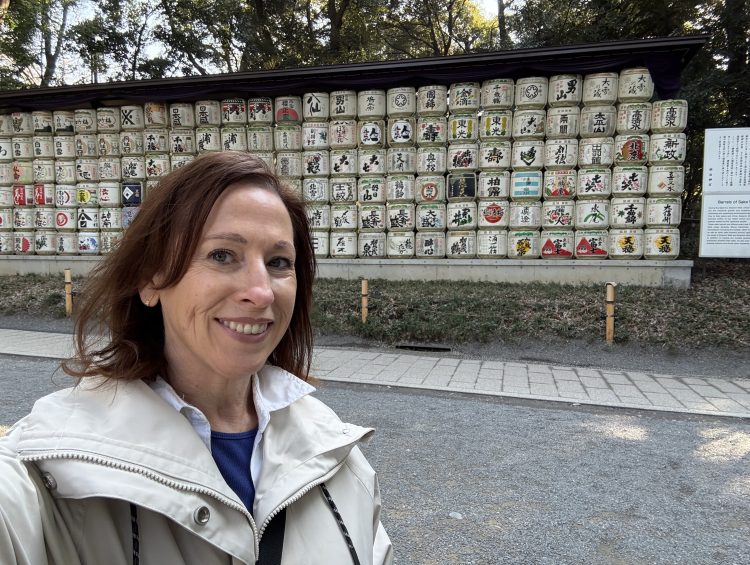
 Drea
Before I booked my solo trip to Tokyo, I spent way too long typing variations of the same question into Google: is Tokyo safe for solo female travelers? The answers I found were all over the place. Some were reassuring to the point of being useless. Some made it sound borderline scary. None of them felt like a real answer from a real woman who had actually done it.
So here’s mine.
I spent 5 days alone in Tokyo, wandering at 5am, taking crowded rush-hour trains, eating solo at sushi counters, exploring neighborhoods at night, and I want to give you the answer I wish I’d had before I went. The honest one.
For my full guide to planning and traveling through Japan, start here →
For my full guide to solo travel for women over 35, start here →
Want Your Own Custom Packing Checklist for Tokyo?
Here’s the thing. Feeling safe starts before you even land, with knowing you’ve got exactly what you need and nothing you don’t. My free 4-3-1 packing checklist, tested over 18 days solo in Japan, keeps you light and nimble.
The Short Answer: Yes, Tokyo Is Safe for Solo Female Travelers
Tokyo is consistently considered one of the safest cities in the world, and that holds up for solo female travelers. In 5 days of exploring alone – at night, on crowded trains, in unfamiliar neighborhoods – I never once felt unsafe.

But “safe” doesn’t mean “no preparation needed,” and that’s what the rest of this article is about.
To be honest, Tokyo was at the bottom of my wish list before I went, partially because it seemed intimidating. I wasn’t scared of it exactly. I just couldn’t picture myself there, that enormous, busy, bustling city full of people and nonstop action. By the end of Day 1, I understood what all the fuss was about.
Any time I travel solo, the safety question comes first. That’s not fear talking, that’s just being a woman who’s learned to ask the right questions before she goes. With a little research and preparation, you’ll be good to go – especially in cities like Tokyo that are known for their safety. And if you’re already thinking about extending the trip – good instinct. Japan as a whole carries the same safety reputation, from Tokyo to Kyoto to the countryside.
For my full 5-day solo Tokyo itinerary, start here.
What Actually Makes Tokyo So Safe for Women Traveling Solo
I was shocked on my first morning out alone. Walking out of my hotel at 5am, I expected streets packed with people, and was greeted by quiet calm. I strolled the streets, the temples, and subways, and felt more comfortable than I do walking in parts of my own city. The streets were quiet, the air was cool, and nobody paid me any attention. That was the moment I knew this city was going to be okay.
Besides being a safe city in general, there are several aspects of Japan’s culture that make Tokyo safe for female travelers.
Japanese Culture
Japan’s culture has a built-in respect for personal space, and that shows up everywhere, from how people queue to how they simply don’t engage with strangers. In Tokyo, people stayed on their side of the sidewalks, lined up nicely at the subway doors, and didn’t push past you on the streets. It felt like I had a nice bubble around me, even when it was a bit more crowded.
- Japan’s cultural norms around public order: People genuinely leave you alone. There’s no street harassment culture, no catcalling, no one following you down the block trying to sell you something. It is a striking contrast to most big cities I’ve been in.
- The lost-item culture: Japan is well known for found items being returned – wallets, phones, bags. I’m not certain of the exact statistics on this, but the cultural norm is widely documented and I heard it firsthand. I spoke with someone who had left their phone on a shinkansen high-speed train. He realized it after arriving at the next destination and thought the phone was a loss. But alas, it was turned in, and the train company got it to him by the end of the day. Things like that are hard to imagine happening at home.
- Women-only train cars: These exist on most major Tokyo lines, clearly marked in pink, during rush hours. The fact they exist tells you something about the problem they address, and I’ll get into that honestly in a later section. They’re also a practical resource that’s easy to use. I was advised to use them when available, and I did on one occasion.
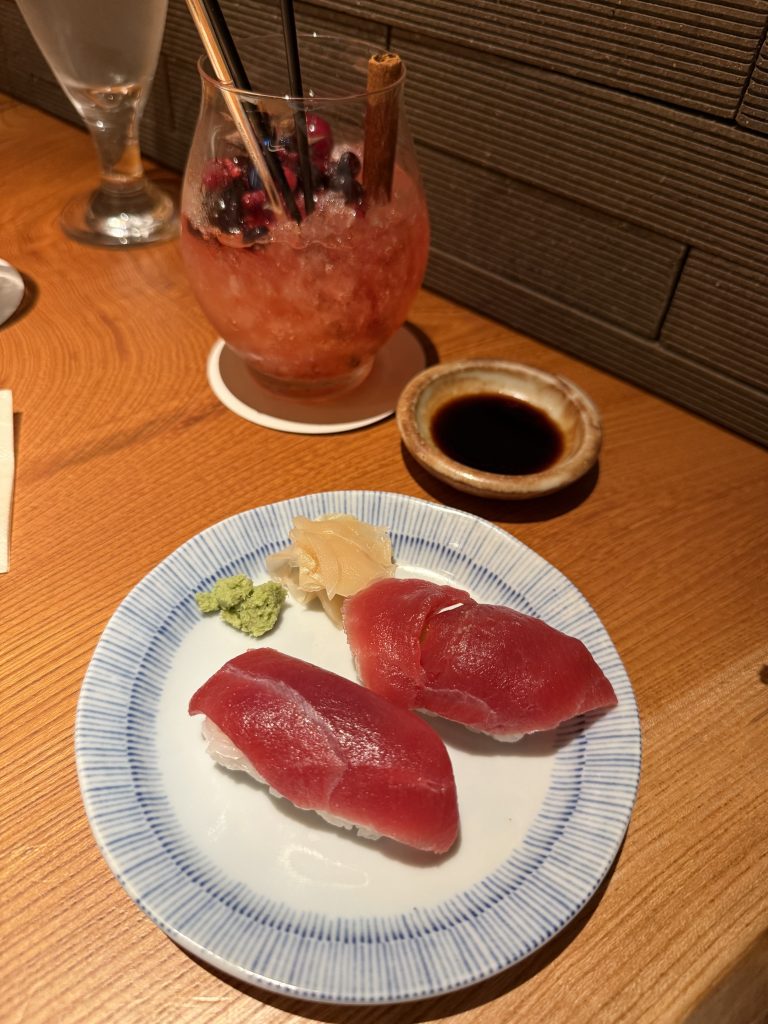
- Solo dining is normalized: Nobody stares at a woman eating alone in Tokyo. Counter seating is built into the culture – ramen bars, sushi bars, izakayas – and many Japanese people eat solo too. My best meals of the trip were at counters, alone. It removes the pressure some women feel about dining solo.
Safety Nets in Proximity
With Tokyo being such a large city, there’s always a subway, a konbini, or a police station within reach. That was so nice to see. I had three konbinis within two blocks of my hotel, and subway stations everywhere. Even when I was alone and felt safe, it was nice knowing help was within reach if I needed it.
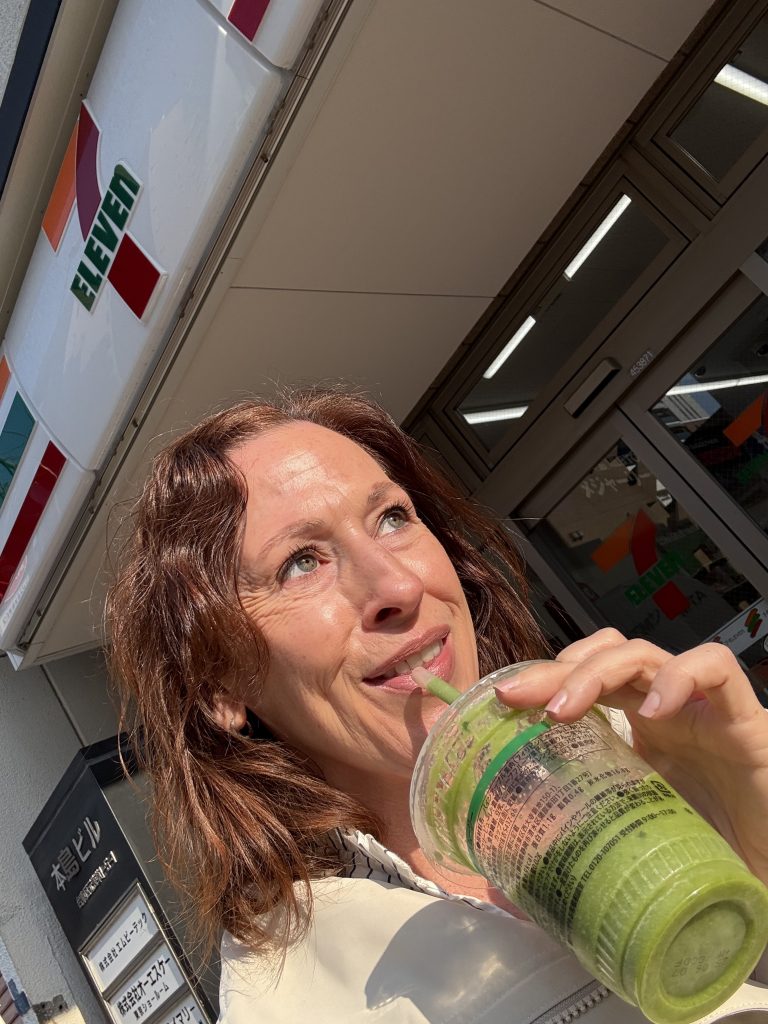
- Konbinis as 24/7 anchors: 7-11, Lawson, FamilyMart. Bright, busy, open around the clock, everywhere. When you’re out late and want to feel grounded, you walk into a konbini. I used them constantly – for smoothies, for food, for water, for ATMs, for that 11pm moment of needing to feel like a person again.
- Police boxes (koban) are visible and accessible: Small neighborhood police stations are scattered throughout the city. They’re staffed and approachable. If you’re lost or uneasy, that’s an option. I walked past one near my hotel every morning and just knowing it was there was oddly comforting.
- The metro system reduces vulnerability: Feeling lost or disoriented is one of the biggest solo travel risk factors anywhere. Tokyo’s transit is extremely navigable once you get the hang of it. That predictability helps.
What I Was Nervous About Before I Went (And What the Reality Was)
I almost didn’t include Tokyo in my itinerary. It seemed too big, too foreign, too much. Here’s what was actually going through my head, and what happened.
Fear 1: Being visibly foreign and sticking out
Reality: Yes, I stood out. But “standing out” in Japan almost never translates to unwanted attention. I got curious glances, that was it. The culture is not one of loud unsolicited interaction with strangers. I felt noticed but never targeted.
Fear 2: Not speaking the language
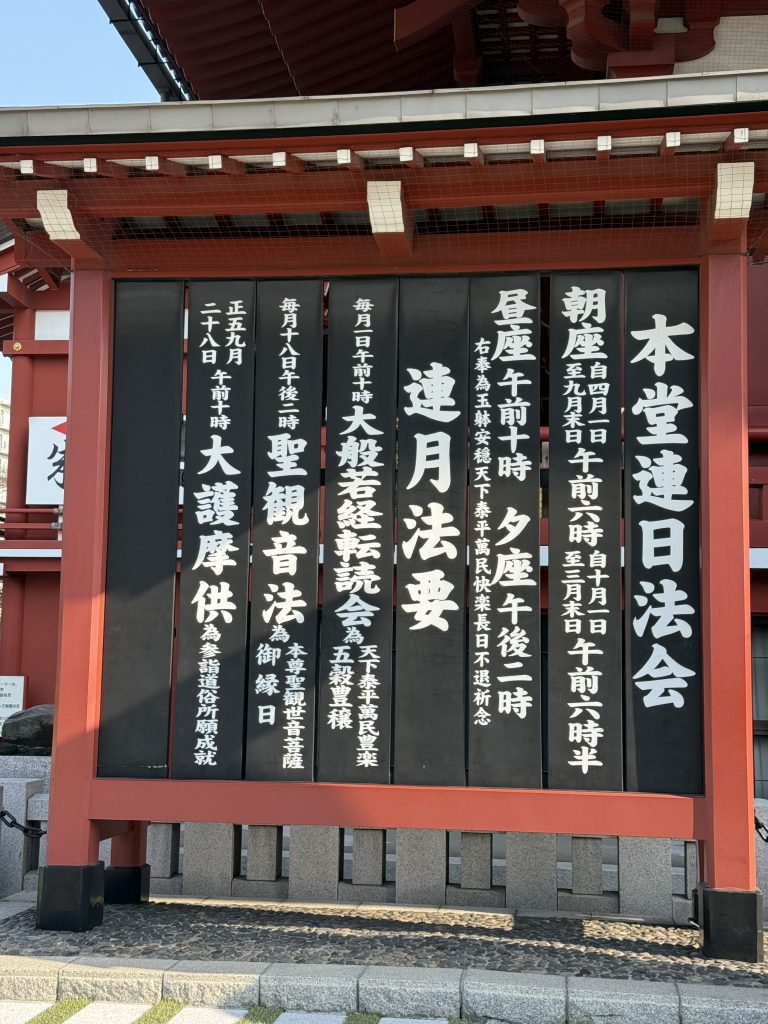
Reality: Google Translate’s camera mode changed my life. Point it at a menu, a sign, a bathroom label, and boom, instant translation. That removed about 80% of my language anxiety before I even arrived. When actual conversation was needed, most staff in tourist areas had some English, and when they didn’t, hand gestures and mutual effort got us there every single time. Those interactions ended up being some of my favorites.
Fear 3: Eating alone every night
Reality: Tokyo is one of the best cities in the world to eat solo. Counter seating is built into the culture. I had sushi at a 15-seat bar where I was the only foreigner, paid $15 for a full meal, and had a better time than I’ve had at some group dinners. Nobody looked at me twice.
Fear 4: Getting around at night alone
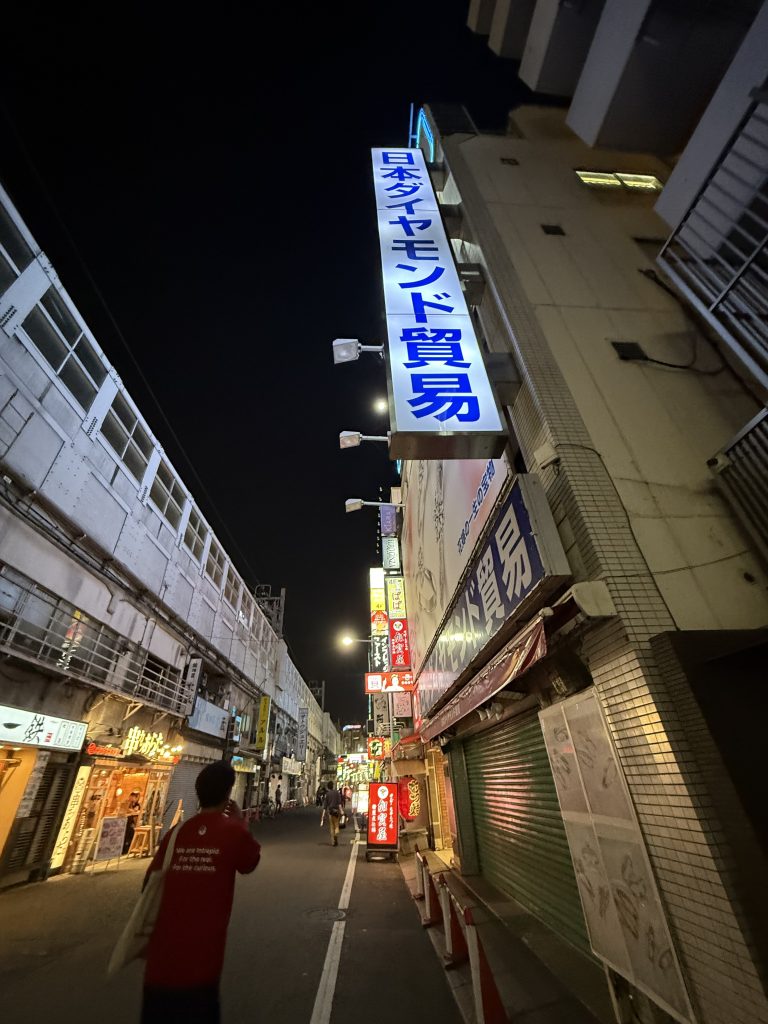
Reality: I went out to Akihabara solo at night, walked back to the metro late after the sumo experience, and navigated home more than once after dark without a second thought. The stations are well-lit, the streets are populated, and it felt genuinely easy.
Fear 5: Having no one to help if something went wrong
Reality: I had three things in place: location sharing with someone at home, an eSIM (Airalo) for constant data, and my hotel’s address in Japanese characters saved in my phone. That was enough. I never needed anything beyond that – but having it meant I never worried about not having it.
The morning I boarded that completely packed rush-hour train and got wedged into a wall of people? That was the scariest 8 minutes of my Tokyo trip. And by “scariest,” I mean I was deeply uncomfortable and couldn’t move. Not threatened. Not in danger. Just squeezed. That distinction matters.
The Honest Part: What Solo Female Travelers Should Know About Tokyo
I promised you an honest answer, and this section earns it. None of this is a reason not to go, but all of it is worth knowing before you do. “Safe” isn’t the same as “nothing to be aware of.” Here’s what most travel blogs skip.
Train groping (chikan) is a documented problem
Chikan (groping on crowded trains) is most common during rush hours on packed commuter lines. If you’re a tourist riding mid-morning or mid-afternoon, your risk is significantly lower.

This is one reason why women-only cars exist. Women-only cars are available on most major lines during rush hours. They are pink, and labeled on the platform. Use them during peak times. If something happens: say “yamete” (stop), move, make noise. You are allowed to cause a scene.
I rode a very crowded rush-hour train on Day 1 and it was overwhelming but not threatening. I was pressed into a wall of people and couldn’t move, but nobody was anything other than miserable alongside me. That said, I use the women-only car now during rush hour.
Roppongi at night operates differently than Roppongi during the day
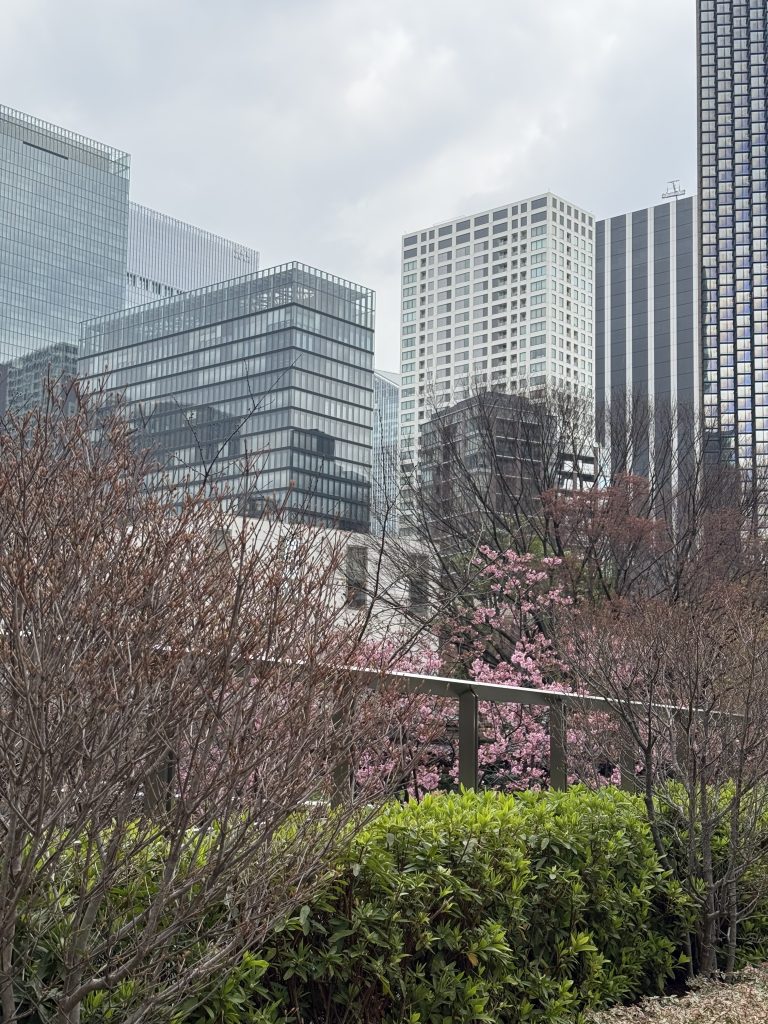
I went to Roppongi during the day and it was one of my favorite areas – calm, arty, beautiful. I walked those same streets after the teamLabs at night and it was a completely different vibe. Both versions are fine. Knowing the difference just means you’re paying attention.
Because Roppongi is a major expat and nightlife area, it comes with more aggressive bar touts trying to pull you into venues. They’re not dangerous, but they are relentless. If you go at night, move with purpose and don’t engage with anyone approaching you outside a venue. Follow your standard nightlife-district rules.
I don’t go to clubs solo, so I can’t give firsthand experience here. That’s a personal rule of mine everywhere when I travel solo, not a Tokyo-specific thing.
Kabukicho is worth knowing about so you can make your own call
Kabukicho is Tokyo’s primary red-light district. It’s not dangerous in the way the word implies, but it has a different energy than the rest of the city. It’s easy to avoid, as it’s one neighborhood. It doesn’t need to be on a solo female traveler itinerary, and it wasn’t on mine.
Official taxis only
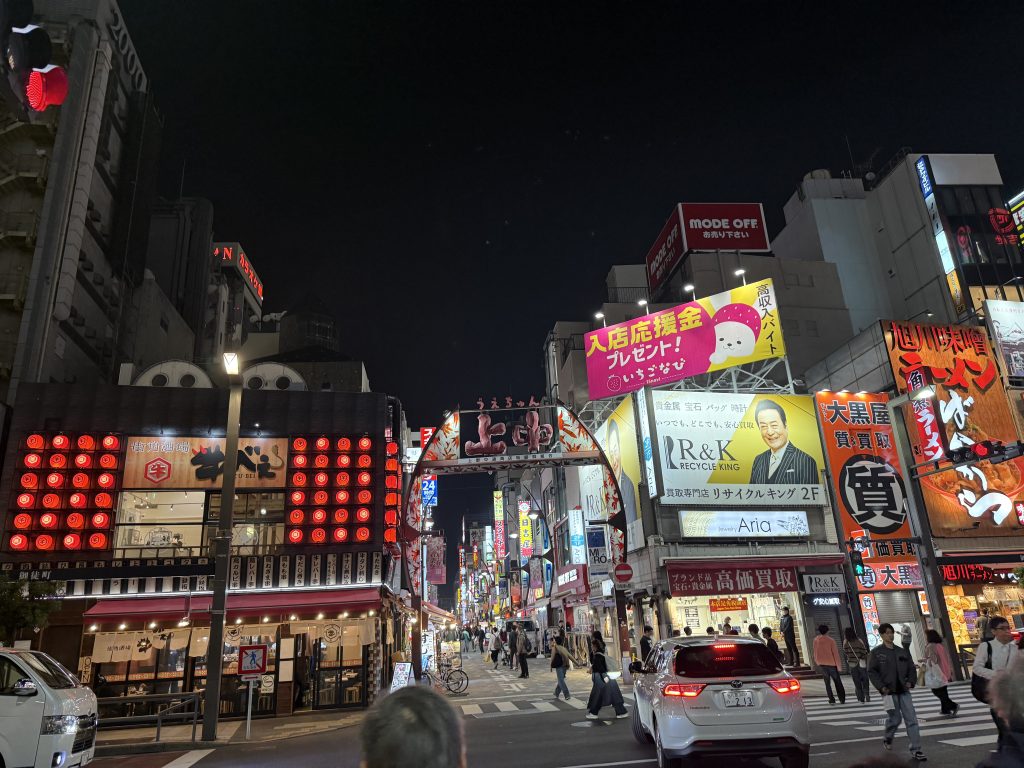
Getting around Tokyo is pretty easy with the metro and your two feet. It’s best to stick with those two whenever possible. If you do take a cab, use a metered official cab with the illuminated sign on the roof. Don’t get into a ride offered by someone who approaches you on the street.
Trust your gut, same as anywhere
Tokyo is safe, but it’s not a different planet. Basic awareness still applies. The city’s general safety doesn’t override your instinct, so trust your gut. If you feel something is off, get out of there. There’s likely a konbini nearby.
Safe and comfortable aren’t always the same thing. In Tokyo, they usually are.
Solo Female Travel Safety Tips for Tokyo That Actually Helped Me
Because I travel solo so often, I have tried and true tips I use just about anywhere. Here’s what actually made a difference for me in Tokyo.
Before You Go
These are the five things I did before I ever set foot in Tokyo, and every one of them paid off.
eSIM before you land: I used Airalo and it worked without a hiccup. Having data from the minute you land is about more than convenience. It means you’re not disoriented in an airport at 10pm after 20 hours of travel, trying to find a SIM vendor. It also gives you built-in comfort that if you need to contact someone or find your way somewhere, you can. You need Google Maps, Google Translate, and WhatsApp. All of them need data. Use code ANDREA68732 for $3 off.

Location sharing with one person at home: I keep this on throughout my entire solo trips. It costs nothing, and means someone always knows where I am. It’s my rule on every solo trip, everywhere (even on dates at home.)
Learn 5 words before you go: Knowing how to say arigatou (thank you), sumimasen (excuse me), hai (yes), yamete (stop), and eigo ga hanasemasu ka? (do you speak English?) go a long way. You won’t be fluent, but the effort is noticed and it matters.
Save your hotel address in Japanese characters: Not everyone reads English addresses, including some taxi drivers. Screenshot the kanji from your hotel’s website before you leave home. You’ll thank yourself once.
Save emergency numbers: Save 110 (police) and 119 (ambulance/fire) in your phone before you go. I never needed them, but having them saved took one more thing off my mind.
The eSIM was the one prep item I was most grateful for. Landing at 7:30pm after a 20-hour travel day, I had Google Maps running before I left the baggage claim. That alone changed the feeling of arrival from overwhelming to manageable.
Once You’re There
These are the habits that became second nature by Day 2, the kind you barely notice you’re doing.

Crossbody bag or backpack, always: I kept mine on my body in restaurants, took it to the bathroom, and never hung it on a chair. In Tokyo you probably don’t need to be paranoid about it, but I carry this habit everywhere, and it means I never have to think about it.
Read my full Japan packing guide here ->
Women-only train cars during rush hour: I didn’t use them on Day 1, and by Day 3 I was seeking them out. If you’re riding morning or evening commute trains, look for the pink signage and use them. No reason not to.
Konbinis are your best late-night anchor: Bright, busy, and completely normal to walk into alone at midnight. Your go-to for ATMs, food, water, a place to regroup. I stopped in one almost every night.
Pre-book a few experiences: Not a safety tip exactly, but having anchors in your day – a tea tasting at 3pm, a teamLab reservation at noon – keeps you purposeful. Less wandering in unfamiliar areas with nothing pulling you forward. It reduces decision fatigue and helps me feel confident navigating alone.
These help ground your days, as well as your nights. Heading out at night is something I always think about as a woman traveling alone, and Tokyo is exactly where I want to talk about it next.
Read all of my essential tips for visiting Japan ->
Is Tokyo Safe at Night for Solo Female Travelers?
Tokyo is generally safe at night for solo female travelers. The city is well-lit, streets stay populated, and the metro runs until around midnight. I explored Akihabara after dark, walked through Asakusa with the temple lit up, and stopped at konbinis past midnight, and none of it felt threatening. Quiet doesn’t mean dangerous in Tokyo, it often just means peaceful.

It helps to know your neighborhood, and know your metro cutoff. The metro stops around midnight on most lines, so plan around this the same way you’d plan around any last subway hour. It’s practical, not scary.
Coming out of the sumo show after dark and walking back to the Asakusa temple, all lit up at night – that’s one of my favorite memories from the whole trip. I was completely alone. It was completely fine. It was actually kind of magic.
How Does Tokyo Compare to Other Destinations for Solo Women?
I’ve been to 45+ countries across six continents. I’d put Tokyo in the top 3 I’ve felt most at ease in as a solo woman. The only other places that come close are Iceland and New Zealand, both of which have far less of a language challenge.
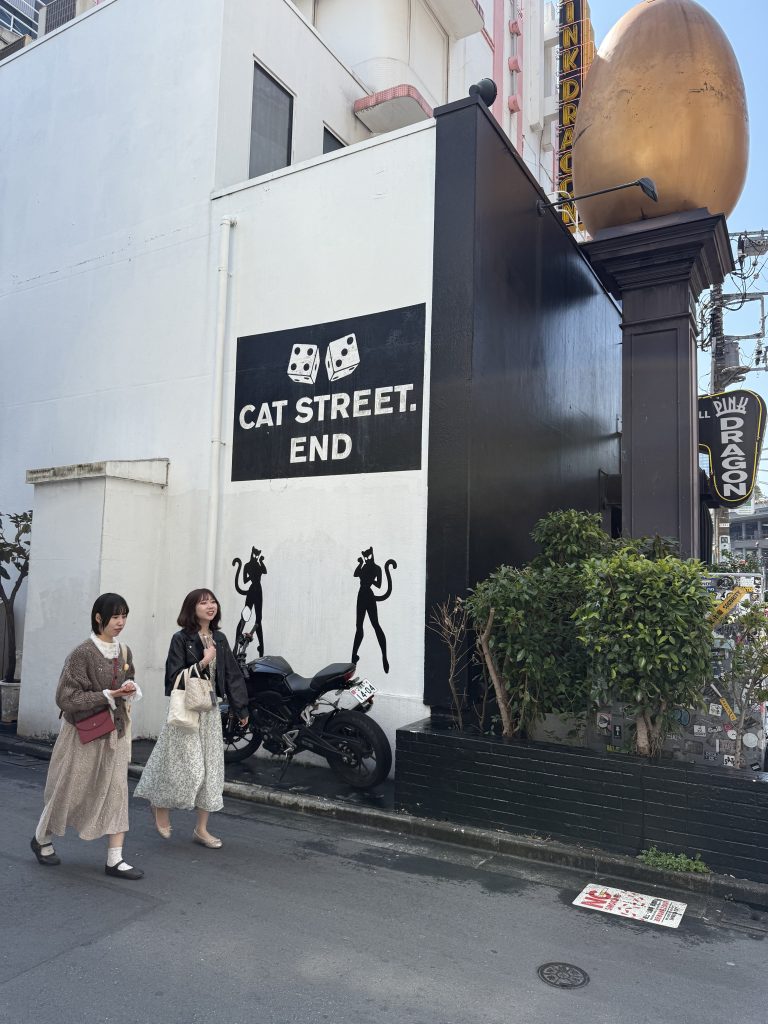
Tokyo seems safer in my experience than other major European cities. There’s less pickpocketing, almost no street harassment, and much less unsolicited attention. That was a genuine surprise. This isn’t about making other places sound scary. I’ve rarely felt real fear traveling solo. This is more about context, and Tokyo sets a high bar.
The language difference is the biggest adjustment vs. English-speaking or European destinations. It’s real, but it’s manageable. Google Translate does most of the heavy lifting.
This makes traveling across Japan as a whole easier. The same safety culture applies across Kyoto, Osaka, smaller towns, and the countryside. If you extend your trip beyond Tokyo, you’re in good hands throughout.
I’ve been to 45+ countries across six continents. I’d put Tokyo in the top 3 I’ve felt most at ease in as a solo woman.
Wondering about the rest of the country? I cover is Japan safe for solo female travelers in my full Japan solo guide. ->
FAQs
Ready to Plan Your Solo Tokyo Trip? Here’s Where to Go Next
Tokyo surprised me. It turned a destination I almost skipped into one I can’t wait to return to – even alone. So much so that I’m headed back there this year.
Tokyo turned a destination I almost skipped into one I can’t wait to return to, even alone.
If you’re on the fence, I hope this helped tip you over it. If this article moved you from ‘Tokyo? maybe’ to ‘heck yes, I’m doing this,’ then here’s everything else I have to help you plan it.

Once you feel good about the safety side, the fun part starts – actually planning your days. My full solo Tokyo itinerary breaks down how I spent each one. If you want to expand your trip across Japan, my full 3-week Japan itinerary is a great place to start. For everything else you need to know before landing in Japan, my Japan travel tips for first-time visitors covers the practical side. And if you just want more info on being a female traveling alone, my solo female travel resource library has all you need.
If you’d rather have someone build your Tokyo itinerary for you, or just want a second set of eyes before you go, that’s what I do professionally. Let’s talk about your trip.
Wherever you go, however you do it, I want you to have a trip to remember.
Happy travels, kindreds!
RELATED POSTS
Ready to travel to Tokyo solo? Here are some articles to help you out.
- Everything You Need for Japan
- For my full guide to planning and traveling through Japan, start here
- My 5-Day Tokyo Itinerary for Solo Travelers
- Only have 3 days to spare? Take a look at My Exact 3-Day Tokyo Itinerary
- Top 10 Essential Japan Travel Tips for First-Time Visitors
- Once you know the best advice, check out the the Japan advice I think is overrated
- What to Pack for Japan: My 431 System for Every Season
- Complete Japan Itinerary: 3 Weeks for First-Timers
- 4 Days in Kyoto + Nara – Perfect Solo or With Friends
- Solo Travel Confidence
- Wondering if you need a travel advisor to travel solo? Here’s how to decide
- Scared to Travel Alone? Here’s How I Overcome the Anxiety
- It’s true there are The Hard Parts of Solo Travel, but they’re well worth it
- Solo Female Travel hub for all your solo travel needs
HELPFUL LINKS
Ready to book? Here are my go-to resources for flights, packing, planning, and staying connected:
- Work With Me
- Need help planning your 2026 travel? Contact me here for personalized itinerary assistance!
- Want more information on the benefits of using a travel advisor? Learn more here
- Planning Resources
- Japan National Tourism Organization – Official resource for Japan
- travel.state.gov: security alerts, visa and entry requirements for US citizens
- Airalo — eSIM for staying connected in Iceland (my referral code: ANDREA68732)
- Looking for Travel Inspiration? Follow me and check out my boards on Pinterest


