 Drea
Kyoto hits different than Tokyo. The moment you step off the shinkansen, the energy shifts – less neon, more tradition. More wooden temple gates than skyscrapers. More gardens than street corners crammed with vending machines. And a smaller, more manageable city, which makes 4 days in Kyoto the perfect amount of time.
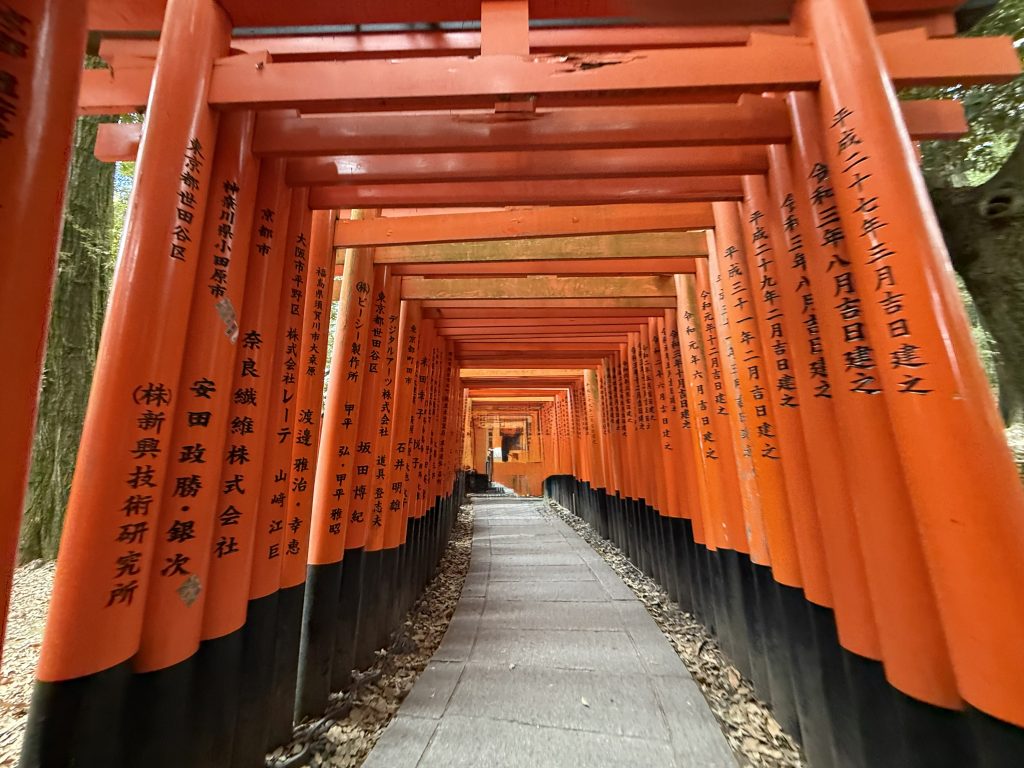
I equate Kyoto with traditional Japanese history. If you’ve seen the iconic pictures of Japan – those thousands of orange torii gates, that stunning golden temple, that wooden temple stage perched on a hillside with a city spread below – they’re all from Kyoto. While Kyoto is smaller, that also means it’s not built for the influx of tourists, so it may feel more crowded and chaotic than Tokyo does, particularly if you visit during high season like I did.
Knowing that, it’s helpful to select your must-sees, lay out your days so you’re not traversing across the city, and take your time to really soak in the beauty that surrounds you. For me, I learned that if you don’t hit the famous Fushimi Inari temple and orange torii gates first thing in the morning, you’ll regret it. I also learned that the land around the bamboo forest is so relaxing and beautiful, I could easily spend a full day there.
If you’re following my complete 2-3 week Japan itinerary, this is your Days 13-16 breakdown. With that, let’s talk about the practical stuff before we dive into the daily itineraries.
For my full guide to solo travel for women over 35, start here →
For my full guide to planning and traveling through Japan, start here →
Want Your Own Custom Packing Checklist for Kyoto?
You’re about to see my 4 days in Kyoto travel itinerary, now grab a customizable checklist you can actually pack from. Pop your email in and it’s yours, free.
How Many Days in Kyoto Do You Need?
Short answer is that how many days in Kyoto you need comes down to how much of the surrounding area you want. Kyoto itself is walkable and compact, so you can hit the headliners, like Fushimi Inari, the Golden Pavilion, Arashiyama, and Gion, in about three focused days. I’d give it four if you’re adding a Nara day trip, and you should The bowing deer and the Great Buddha are worth the extra day. Two days works if Kyoto is one stop on a bigger Japan trip, but you’ll be rushing past the quiet temples that end up being everyone’s favorite part. My honest take after visiting in high season is that four days is the sweet spot, three is plenty for Kyoto on its own, and I wouldn’t go below two.
Short on Time? The 3-Day Kyoto Itinerary
If you’ve only got three days, this same plan compresses into a 3-day Kyoto itinerary without much pain. Keep Days 1, 2, and 4 and drop the Nara day trip (save Nara for next time, or stretch to four if you can). That still gives you Fushimi Inari and Gion, the Golden Pavilion and Arashiyama, and the northern temples, which is the essential Kyoto 3 days itinerary, minus the rush. Everything below is built so you can lift out a day without breaking the flow.
Planning Your 4 Days in Kyoto & Nara
When to Visit Kyoto
The best time to visit Kyoto aligns with Japan overall. If you must see the cherry blossoms in Spring (like me!) or the stunning foliage in Fall, be prepared for crowds as everyone has the same idea. If you go in Summer, you’ll hit low season – hot and humid but manageable. Winter on the other hand, is underrated. There are fewer crowds, and if you’re bundled up, you’ll be set. For my full weather breakdown on Japan, check out my Japan Essential Tips.
Where to Stay in Kyoto
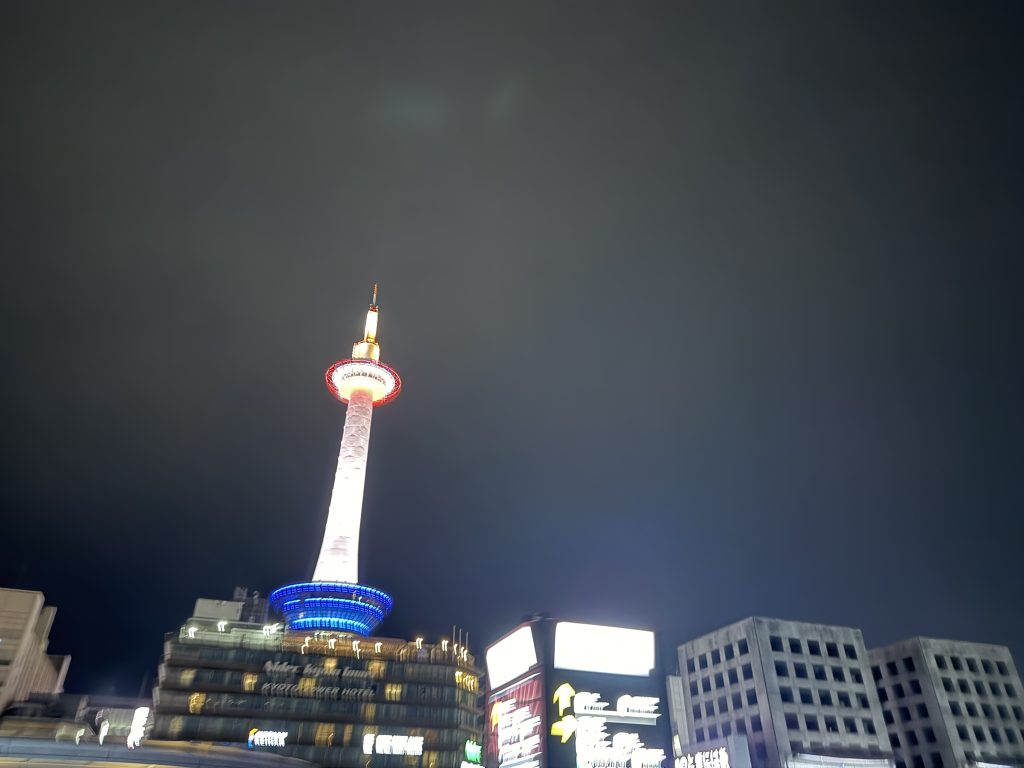
Kyoto is quite spread out, so where you stay can really impact your travel time each day. Staying near Kyoto Station is a good bet, as it’s convenient for JR Pass, train and bus routes, and makes it easy to head out for a day trip to Nara. I stayed here and really appreciated the convenience.
If you want to immerse yourself in the historic Japan feel, the Gion district is for you. It’s like you’ve stepped back in time, and can easily walk to temples, restaurants, and shopping. If you’re lucky, you may even see Geisha on their way to work in the evenings (yes, it’s a real thing!).
Getting Around Kyoto & to Nara

Believe it or not, the Kyoto bus system is more useful here than subways or trains, unless you’re heading out of town to Nara or the Bamboo Forest. There are bus stops just about everywhere, and Google Maps is great at helping you find the right stop and bus number. You pay when you exit the bus, and this is where having a Suica card is clutch – simply swipe as you exit and be on your way.
Even with the bus system, you’ll do a lot of walking here, so be prepared to get your steps in. You may even choose to walk over catching the bus when traffic is bad. We caught some buses and probably could have gotten there faster by walking since there was so much traffic.
Taxis and Uber exist, and we had some folks take them as they were too tired to walk, but you probably won’t need them. My Essential Japan Tips article has a full breakdown of Japanese transit.
Temple & Shrine Etiquette Quick Reminders
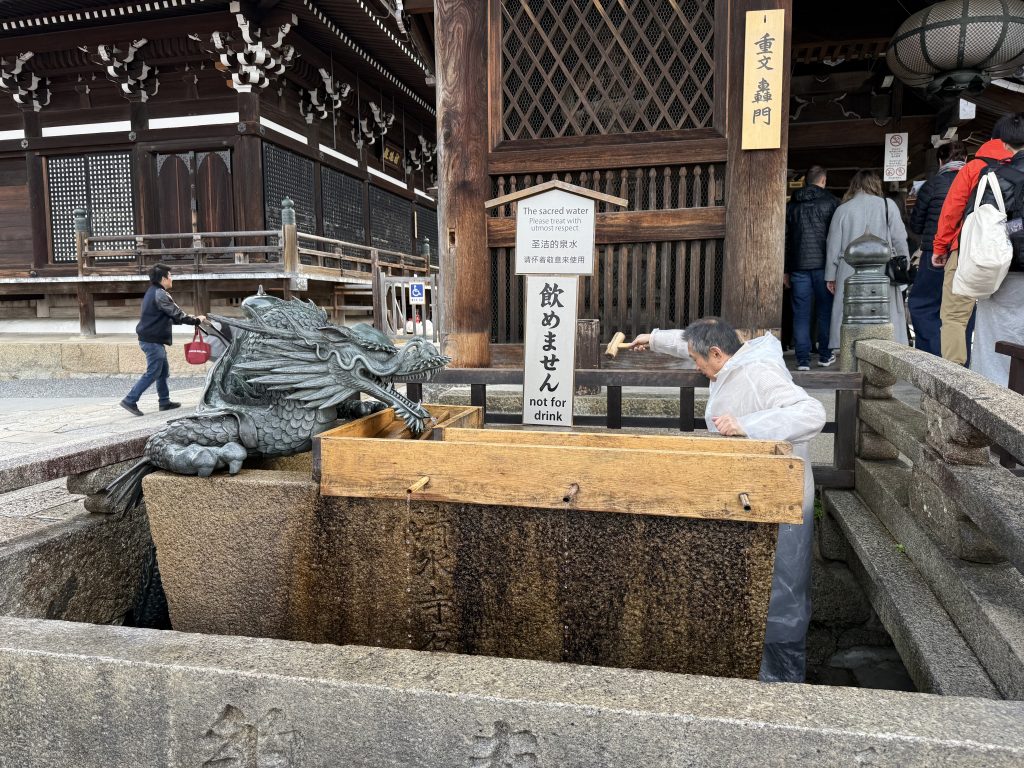
As a reminder, you want to be respectful when visiting temples and shrines during your 4 days in Kyoto. Here are some things to keep in mind:
- Remove shoes when indicated
- Photos are okay except where posted – look for signs
- Offerings are optional, but if you take a fortune, write a memory, or take anything else, know that there are fees for that. You’re on the honor system, so make sure you provide your coins as expected
- Bow at the torii gates
- You’ll see a cleansing fountain out front – people wash their hands and mouth before entering. You don’t have to do this if you’re not comfortable, but be respectful of those who are
Day 1: Fushimi Inari, Downtown Kyoto & Gion at Dusk
Start your Kyoto experience with the iconic, then settle into the city’s rhythm.
Morning: Fushimi Inari Shrine

What better way to start your 4 days in Kyoto than with the stunning torii gates? As I mentioned, this one is best to go early – think 7am, before the crowds swarm in (crowds build after 10am, especially on cruise ship days).
Once there, you’ll see thousands of vermillion torii gates, and hiking trails up the mountain. The first section is iconic and enough for most people (15-20 min); but if you’re in the mood for a hike, the full summit is 2-3 hours round trip. You can also just hike up 10 minutes beyond the crowds and get a glimpse of the gates all by yourself – it’s a whole different experience.
Practicalities: there’s no entry fee here, but you will be walking so like anywhere in Kyoto, wear good shoes, bring water, and be mindful of other people when stopping for photo ops.
Midday: Nishiki Market & Downtown

From the shrine you can walk into downtown and have lunch as you stroll through Nishiki Market. It’s this huge, long hall with stall after stall of all sorts of Japanese specialties. Rather than sit down for lunch, snack your way through the market. You’ll have so much to choose from – sushi, fresh seafood, yuba (tofu skin), tsukemono (pickles), fresh mochi, and matcha everything.
After you eat, you can peruse Teramachi shopping street – it’s nice to walk off your lunch but I didn’t think the shopping here was top-notch – save that for Tokyo!
Afternoon: Choose Your Own Adventure
If you have the energy, head over to Yasaka Shrine and Maruyama Park. They’re in the Gion district not far from the market, and are nice to roam through in the afternoon.
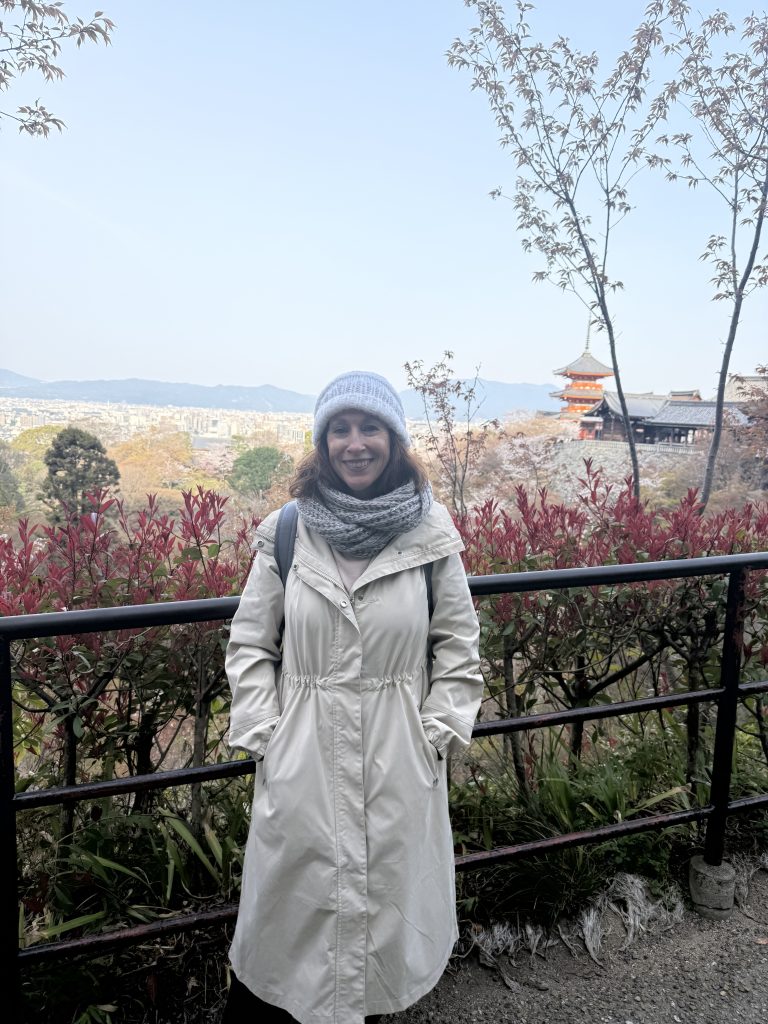
If you want some amazing sunset views and have the stamina, head over to the Kiyomizu-dera Temple. It’s up on the hillside above the Gion district, surrounded by lush greenery and a gorgeous view of Kyoto. You can walk up charming Ninenzaka and Sannenzaka streets with traditional shops, as if you’ve stepped back in time. It’s definitely worth the walk up. It may be crowded but it’s worth a visit.
Practicalities: Entry fee ~¥400, allow 1-2 hours including approach streets. If you’re too tired to fit this in, not to worry. You can do it in the morning on Day 4 instead (covered below)
If you’re feeling a bit tired, don’t be afraid to take a break at your hotel, or find a place for a Japanese massage (highly recommended!) It’s nice to have some free time and not overschedule yourself, especially on day 1.
Evening: Gion District & Geisha Spotting
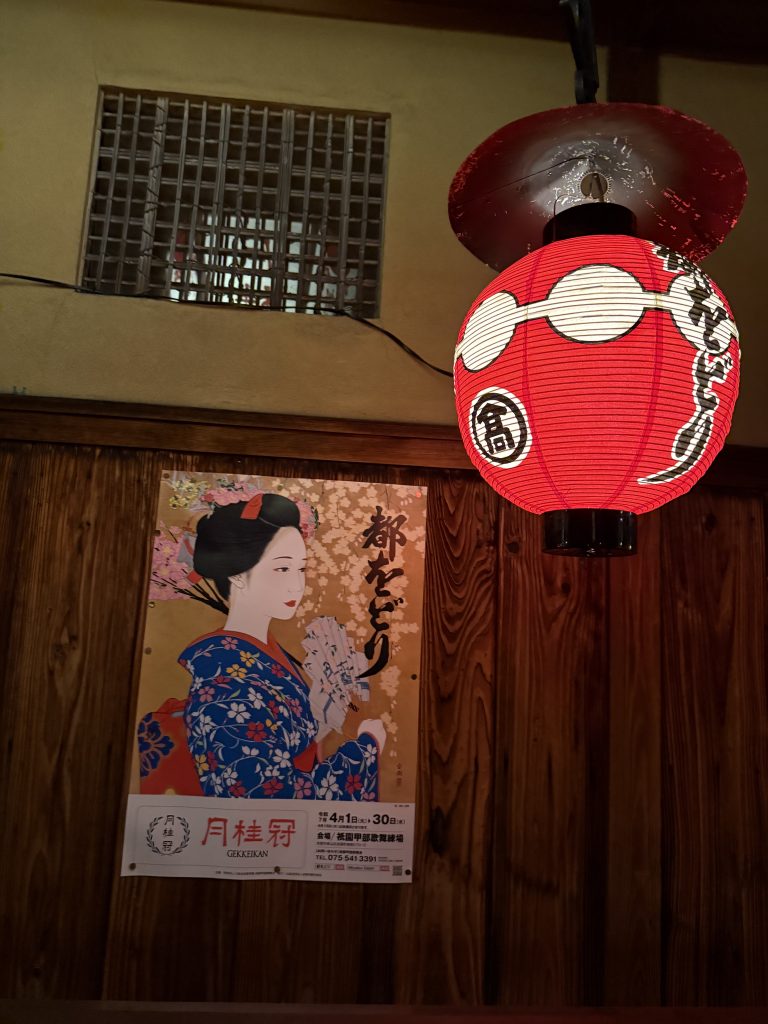
Gion is the historic geisha district, not a “sight” but an experience. The best time to visit is early evening around 5-7pm when geiko and maiko (geisha and geisha in training) might be heading to appointments. Walk along Hanamikoji Street, the Shirakawa area, and the back alleyways.
If you do see geisha, please be respectful. Don’t chase, block, or photograph them without permission. Find a little spot for dinner in the small alleys – try local kaiseki or Kyoto-style izakaya.
Day 2: Golden Pavilion, Arashiyama Bamboo Grove & Peaceful Temples
Day 2 takes you west to Kyoto’s most photographed temple and the bamboo grove everyone dreams about.
Morning: Kinkaku-ji (Golden Pavilion)
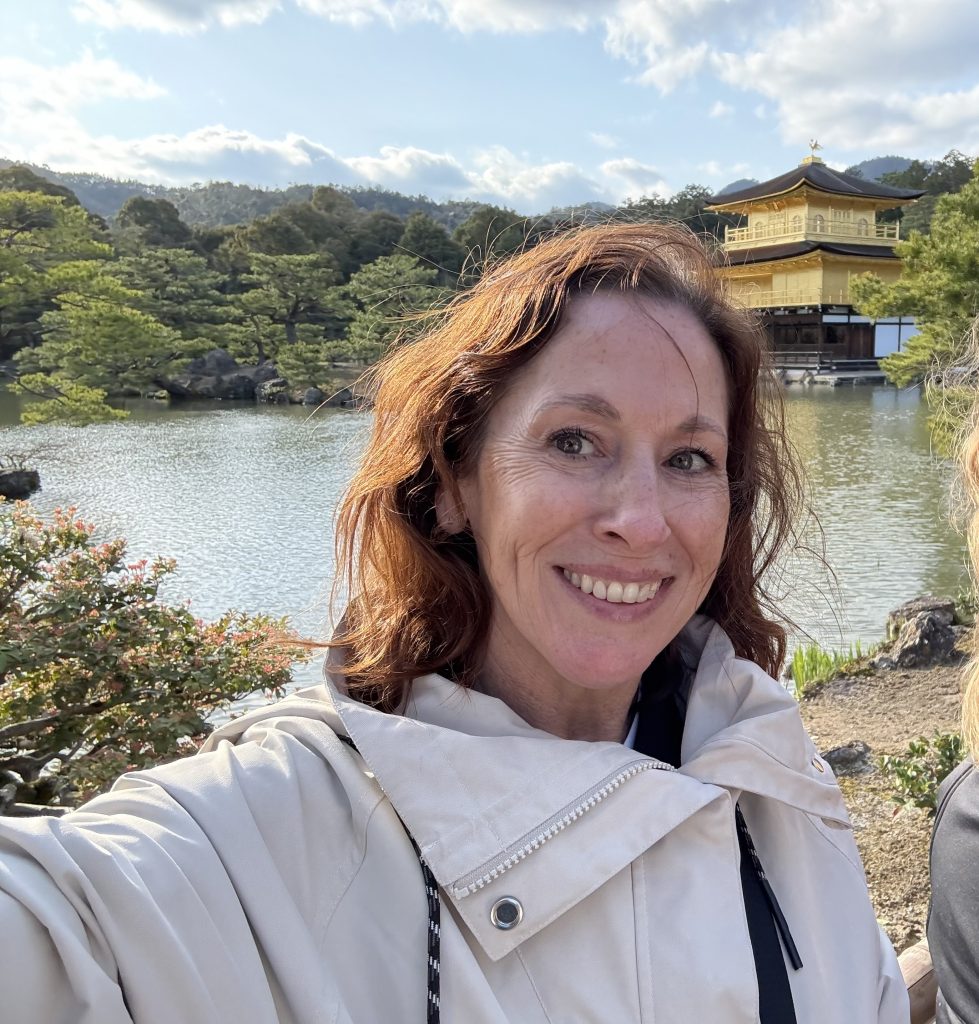
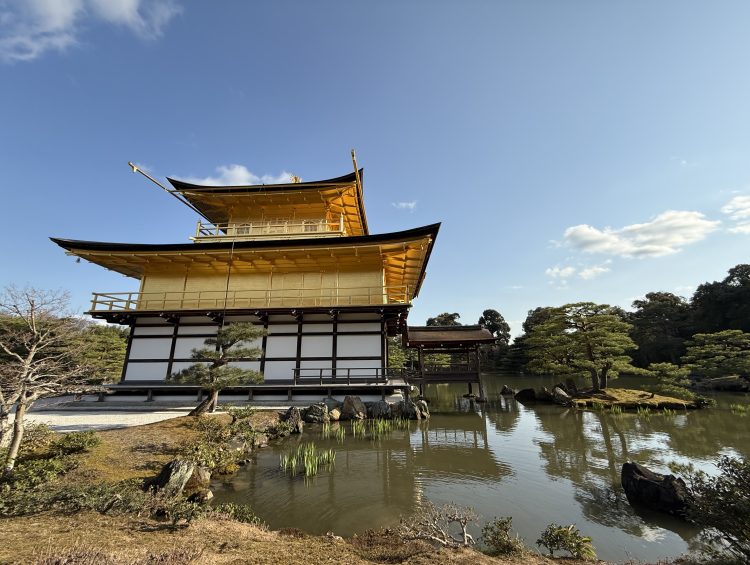
Here we go, starting each day with an early temple visit to soak in the serenity without the crowds. Today, it’s the Golden Pavilion – literally a gold-covered pavilion, reflection pond, and manicured gardens. 30-45 minutes is plenty of time here for you to do a loop of the grounds. Yes it’s touristy, but yes it’s worth it – photos don’t do it justice.
Practicalities: entry fee ~¥500, it’s a one-way path (can’t backtrack)
Midmorning: Ryoan-ji Rock Garden
Only a short taxi or bus ride away from Kinkaku-ji is Ryoan-ji Rock Garden, a famous Zen rock garden, with minimalist, contemplative vibes. This is a complete tonal shift from Golden Pavilion’s opulence. You can sit on the temple veranda, breathe, and just be. There’s no need to rush. Take in the zen that surrounds you. It’s a nice way to remind yourself of where you are vs rushing place to place, or just checking things off a list.
Afternoon: Arashiyama District

With your moment of zen complete, it’s time to get out in nature and enjoy the beauty around you. You can board a train from central Kyoto to Arashiyama. If you plan it right, you can take the Randen streetcar – the older, traditional tram with velvet seats that feels like stepping back in time. Rather than getting off at the crowded JR station, take the Randen to Arashiyama Station and walk along the river toward Togetsukyo Bridge. It adds a little walk but you get to stroll the riverside instead of fighting crowds.
Before you even get to the Bamboo Grove, meander down the river and up the hillside. In cherry blossom season there are blooms everywhere; likewise with the foliage in fall. When you arrive at the bamboo gardens, just look up. Giant bamboo surrounds you, and if you listen closely, you can hear the wind whispering through the bamboo stalks. It’s a short walk through three different groves, but the size and scale will stun you.
Optional Afternoon Add-On
After you’ve done that, check your energy level. Are you ready for more activity? Then Iwatayama Monkey Park is ready for you. It’s a 20-minute uphill hike from the bamboo groves (moderate effort, wear good shoes). There you’ll see 120+ wild Japanese macaques roaming freely at the top.
Here it’s the opposite of a zoo – you’re in the enclosure, and the monkeys roam free. You also get incredible panoramic views of Kyoto from the summit. And if you so desire, you can even feed the monkeys inside the feeding hut (they come to the windows!). I’m sad I missed this on my first trip, but will make it a must-stop for my next trip.
Practicalities: Entry ~¥550, totally worth it if you like animals and views

If you want something a little more relaxing, you can relax by the Katsura River, grab matcha soft serve, and enjoy the view. You can also browse Arashiyama’s small shops and cafes, visit Tenryu-ji Temple gardens, a hidden gem right near bamboo grove, or just enjoy the mountain town vibe without another thing on your itinerary.
Evening: Back to Central Kyoto

Once you’re back in town, take an evening stroll through Pontocho Alley, a narrow lane with restaurants along the river. You’ll find so many restaurants here – you can choose a range of options from a casual ramen spot, or splurge on kaiseki. Make this an early night, as tomorrow is your Nara day trip.
Day 3: Day Trip to Nara – Deer, Giant Buddha & Ancient Temples
Day 3 takes you out of Kyoto for a completely different experience – and yes, the deer really do bow.
Why Nara Deserves a Full Day
Nara offers a completely different vibe from Kyoto: more compact, walkable, an outdoor park setting, and yes, deer! The deer are not just a gimmick – they’re sacred and surprisingly charming.
On top of that, Todai-ji’s Great Buddha is jaw-dropping in scale. Taking a full day lets you feel less rushed than trying to squeeze it into half a day, and we’re all about taking our time to enjoy a place.
Getting to Nara
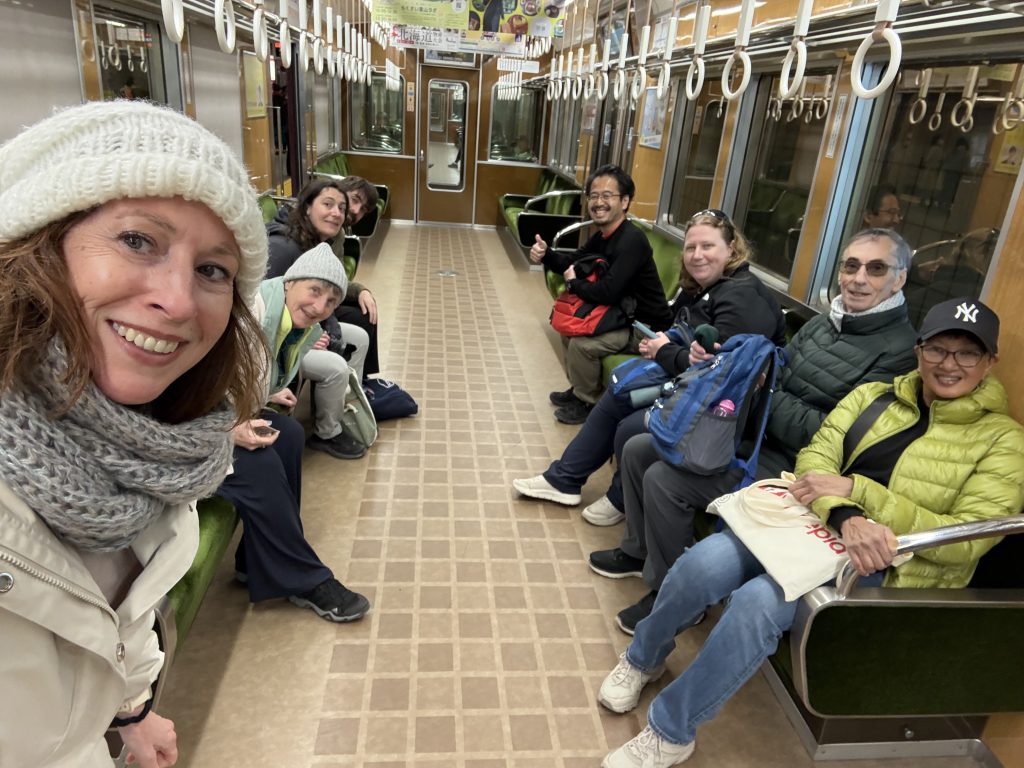
You can easily catch a JR train from Kyoto Station to Nara Station. It takes about 45 minutes, and has frequent departures. I recommend leaving Kyoto by 8:30-9am to maximize time.
Once you get to Nara Station, it’s a 15-minute walk to Nara Park (or take the bus). Your SUICA card works here too, so have that handy! And not to worry – return trains run until evening, so you’ll have no trouble getting back.
Morning: Nara Park & the Deer

Once you arrive, brace yourself for over 1,000 semi-wild deer roaming freely. They really do bow for senbei (deer crackers) – vendors are everywhere, so if you want to feed them, you’re in luck. Keep in mind that deer can be pushy but not dangerous – just be firm with your boundaries. A person in our group had a curious deer try to get in his bag several times, and we had to play hot potato with the bag so the deer would lose interest.
It’s a good reminder to watch your belongings when doing photo ops – if your bags aren’t being guarded, the deer will happily scoop them up. They even eat the paper maps right out of your hands, so look alive! The park itself is beautiful, too, with wide lawns, old trees, and temples dotting the landscape.
Midday: Todai-ji Temple & the Great Buddha
The deer are adorable, but the Great Buddha is what it’s all about! Todai-ji Temple houses one of Japan’s largest bronze Buddhas – 15 meters tall! The building itself is massive – it’s the largest wooden structure in the world.
When you enter, you’ll be in awe at the scale, and have a sense of humility at the craftsmanship. The surrounding grounds are peaceful and less crowded than the main hall. While it is another temple, this is distinct and rivals any Kyoto or Tokyo temple for impact.
Practicalities: Entry fee ~¥600, absolutely worth it
Afternoon: Kasuga Taisha Shrine & Wandering
Spend a relaxing afternoon walking through the forest to Kasuga Taisha (a vermillion shrine with thousands of lanterns). The lantern-lined path through the woods is magical. If you have time, explore Naramachi (the old merchant district) for lunch and shops. You can also just wander Nara Park and enjoy the slower pace before heading back to Kyoto.
Evening: Return to Kyoto
Catch the train back to Kyoto mid-afternoon or early evening depending on your energy level. Warning – you’ll be tired. There’s lots of walking, fresh air, and deer energy, which may drain you by the end of the day. Have a casual dinner near your hotel and reflect on the magical moments of the day.
Day 4: Northern Temples & Your Choice
It’s your final day in Kyoto – time to revisit a favorite, explore new territory, or escape temple overload. Whatever you decide to do, by Day 4, you’ll know if you need more sights or just more Kyoto time. Trust your body, energy level, and what’s been resonating. You’ve already seen Kyoto’s essentials – Day 4 is about what you need.
Option A: Northern Kyoto Temple Trail (For Temple Lovers)
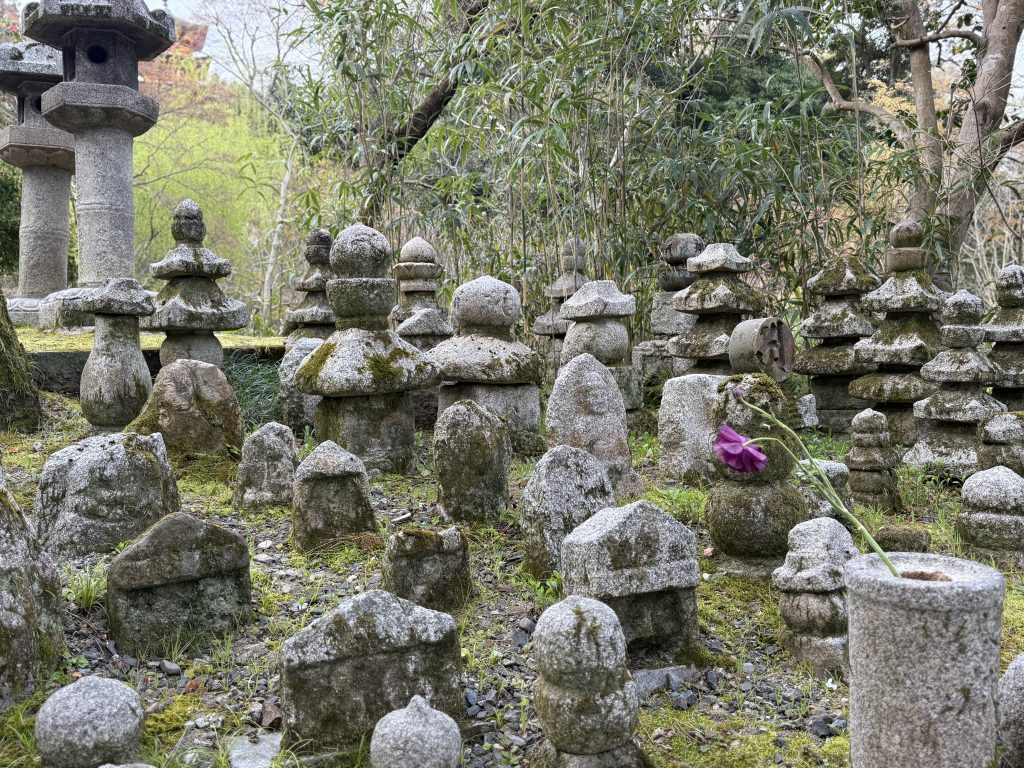
Spend the morning visiting Ginkaku-ji (Silver Pavilion): it’s less famous than the Golden Pavilion but equally beautiful with moss gardens and a sand garden. From there, do the Philosopher’s Path walk – a 2km canal walk connecting Ginkaku-ji to Nanzen-ji, with cherry blossoms in spring, and a peaceful stroll in any season. This is a low-key morning, taking about 2-3 hours for both.
In the afternoon, head to Nanzen-ji Temple. It has massive temple grounds, a famous brick aqueduct, and multiple sub-temples. It’s less crowded than Kyoto’s famous temples, and has a mix of structures and nature. The aqueduct is surprisingly photogenic – a different aesthetic from typical temple architecture.
Still craving more temple? Eikan-do is nearby and is famous for fall foliage.
Option B: Kiyomizu-dera + Gion Revisit (If You Skipped Day 1 Afternoon)

Spend the morning at Kiyomizu-dera and catch the temple you may have skipped on Day 1. Early arrival = fewer crowds on Ninenzaka / Sannenzaka approach streets, and the light is pretty in the mornings. The iconic wooden stage and city views are worth the pilgrimage.
After the temple, walk down through Higashiyama district (traditional street with shops/cafes). This naturally leads you back toward Gion for lunch. Spend the afternoon revisiting Gion in daylight, doing final souvenir shopping, and visiting the Yasaka Shrine if you missed it.
This is a slower pace than Day 1, giving you time to absorb the neighborhood.
Option C: Kyoto Botanical Gardens + Shimogamo Shrine (Nature Break)

If you’re templed out but still want something beautiful, this is the perfect option for you. People don’t speak about them much, but Kyoto Botanical Gardens are beautiful. It’s 24 hectares of seasonal flowers, peaceful greenhouses, and locals jogging/picnicking. This is a totally different vibe from temple gardens – it’s bigger, wilder, and less manicured. You get that Japanese aesthetic but without temple overload.
Practicalities: Entry ~¥200
Next visit Shimogamo Shrine – one of Kyoto’s oldest shrines, in a primeval forest. The forest approach is magical – with ancient trees and quiet paths, it feels like stepping back in time. This is less crowded than the famous temples, and locals visit for wedding ceremonies.
This should take about half the day, leaving the afternoon free for shopping and final explorations.
Option D: Slow Morning + Final Favorites (For the Exhausted)
Today’s the day to take it easy. Sleep in or take a leisurely breakfast – you’ve earned it. Perhaps have a morning coffee at a Kyoto cafe you wanted to try, wander your hotel’s neighborhood without a plan, or get a Japanese massage.
Return to ONE favorite spot from the past 3 days (a temple that spoke to you, Nishiki Market for snacks, a riverside walk). Do your final souvenir shopping: matcha everything, pottery, textiles, Kyoto-specific crafts – and don’t forget the skincare!
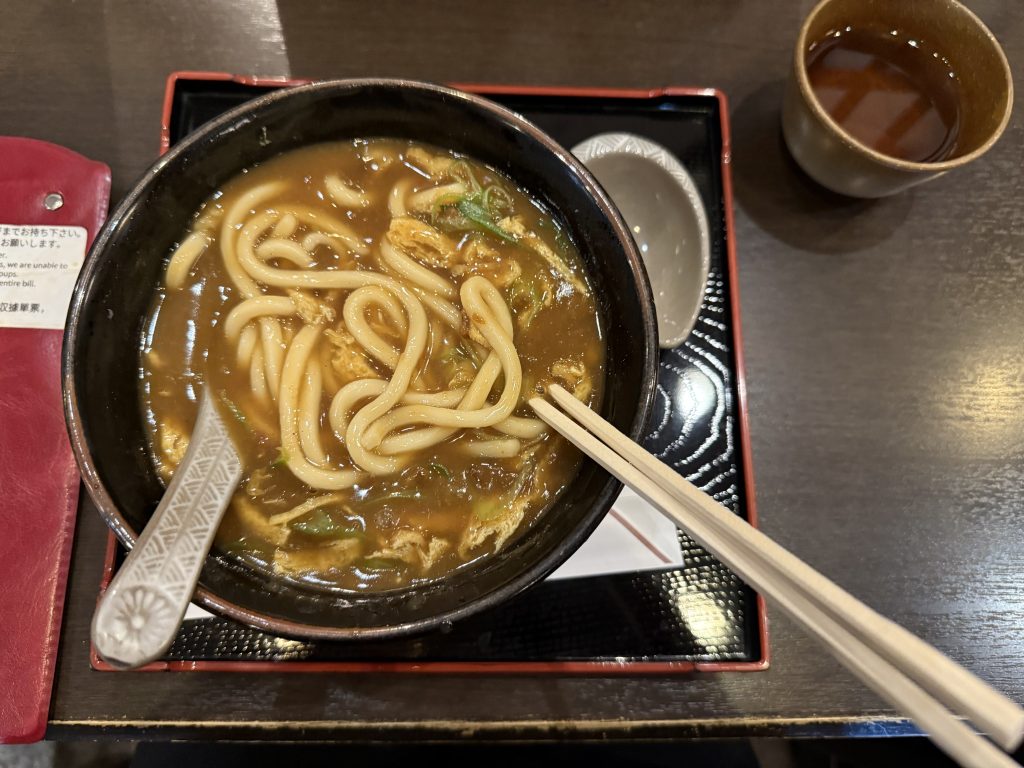
Is there a type of food or a specific restaurant you wanted to try but didn’t have time for? Today’s the day to make it happen. For me, I wanted one last taste of curry udon soup, and I got it!
Evening: Last Night in Kyoto (All Options)
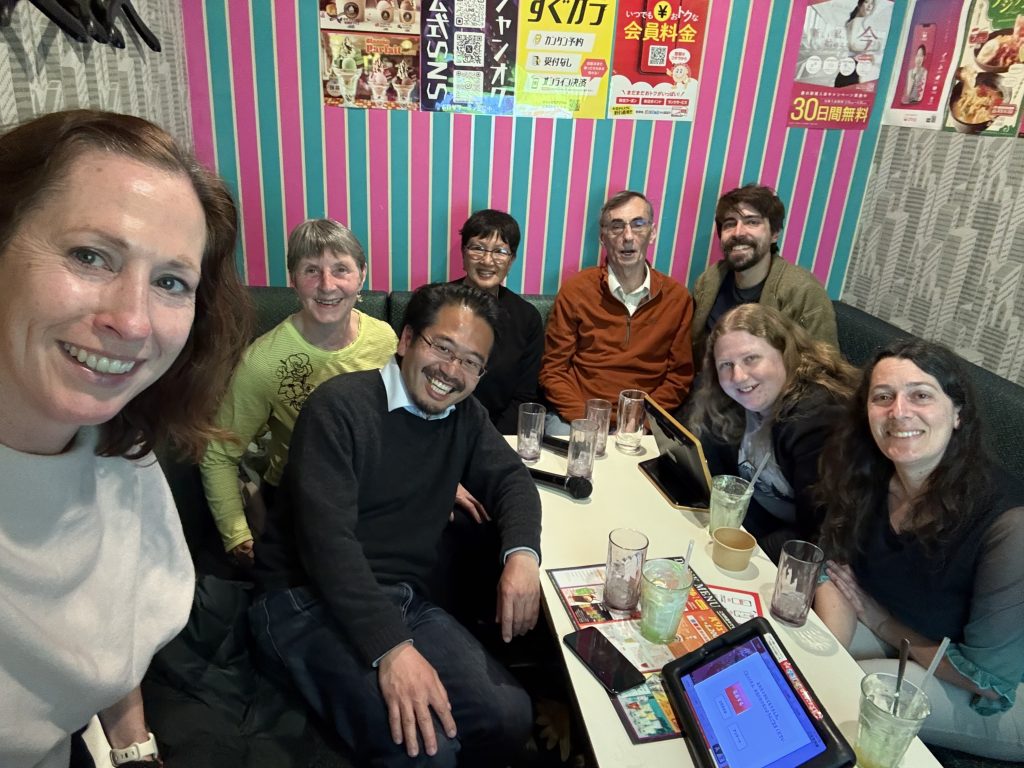
It’s your final night, your final dinner: splurge on kaiseki if you haven’t, or return to a casual favorite. Feeling lively? Do some Japanese karaoke after dinner – it’s a whole vibe you must try at least once! Not your thing? Take a nice evening walk through your favorite neighborhood and reflect on all the highlights from your trip.
Of course, you also must pack for your next destination (Osaka if following my broader itinerary, or heading home).
What I Wish I’d Known Before My First Kyoto Trip
- Kyoto closes earlier than Tokyo – Many temples close 4:30-5pm, restaurants close earlier than Tokyo too, plan accordingly
- You’ll walk way more than you think – Kyoto sprawls, even with buses you’re walking miles between temple gates and buildings, bring comfortable shoes (Nara is ALL walking too)
- Temple admission fees add up – Most temples charge ¥500-600 entry, budget ¥4,000-5,000 for admissions over 4 days including Nara
- Early mornings are magic – Temples open 8:30-9am, some even earlier at 6-7am. Arriving right at opening = no crowds + best light (especially true for Fushimi Inari and Todai-ji)
- Nara deer are not pets – They’re semi-wild, can be pushy, will headbutt/bite if you tease them with crackers, but generally harmless if you’re respectful
- Not every temple needs to be visited – Quality over quantity, skip the ones that don’t speak to you, you have 4 days to work with
I tried to see everything my first couple of days and was exhausted. I ended up adding down time my last two days so I saw less and enjoyed more. Having 4 days in Kyoto gives you breathing room to go at your own pace.
Where to Eat in Kyoto
Kyoto’s food scene leans traditional – kaiseki, tofu, matcha – but you’ll find everything.
Kyoto Specialties to Try
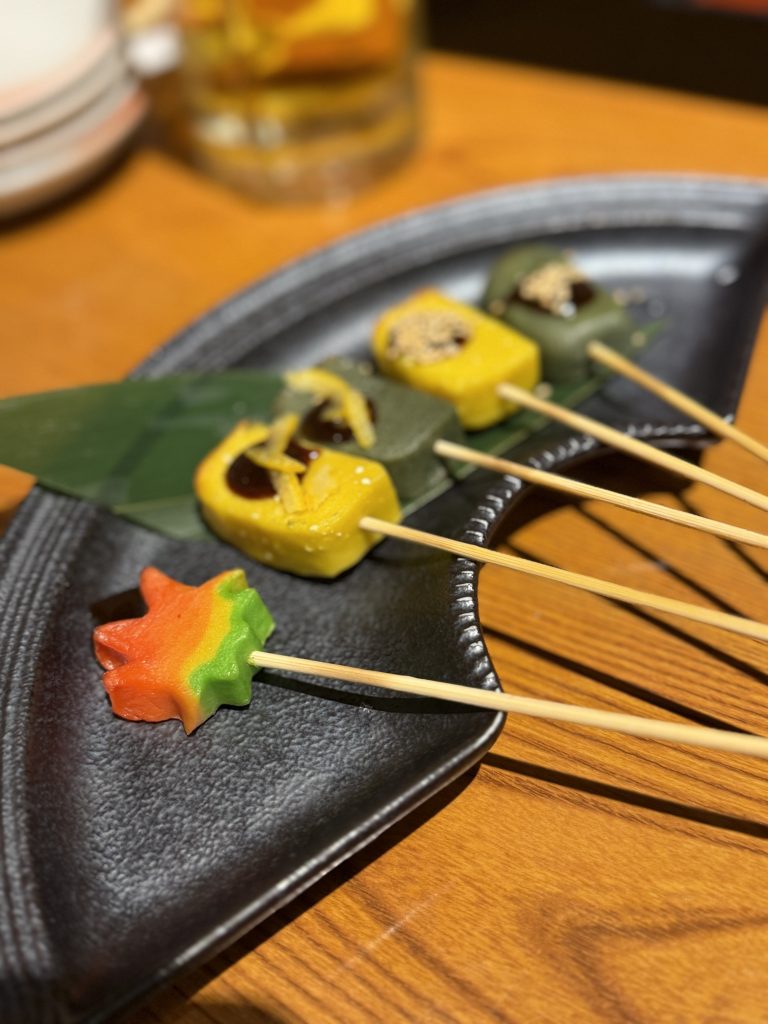
- Kaiseki (multi-course traditional meal): expensive but a once-in-trip experience
- Yudofu (tofu hot pot): a Kyoto specialty, simple and comforting
- Matcha galore: drinks, desserts, soft serve (Kyoto is the matcha capital)
- Kyoto-style ramen: lighter than Tonkotsu, soy-based
Practical Eating Tips
- Nishiki Market: great for breakfast/lunch grazing
- Pontocho Alley: atmospheric dinner spot along river
- Kyoto Station underground: solid casual options (ramen, udon, katsu, etc.)
- Nara: eat near the park (many cafes/restaurants), but don’t expect fine dining
- Reservations: helpful for kaiseki or high-end spots, walk-ins fine for casual
Don’t overthink it – even casual spots are delicious. Save your fancy dinner for Kyoto, keep Nara simple.
Conclusion
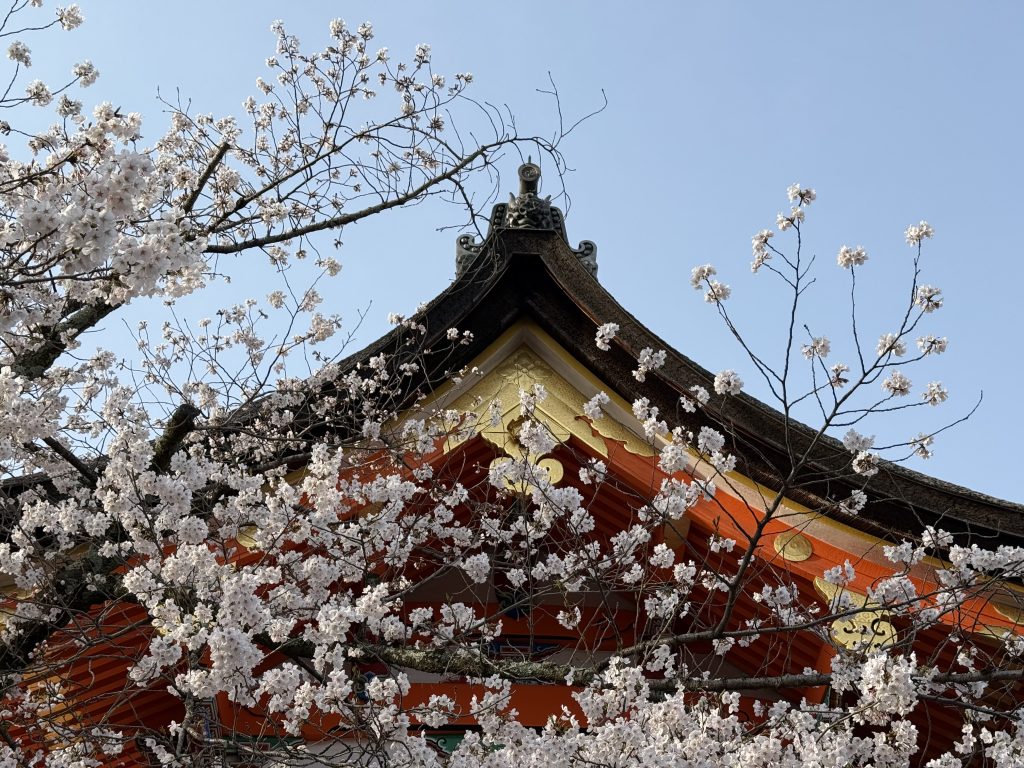
4 days in Kyoto and Nara give you a good mix of Japanese tradition and temples, its nature and gardens, a taste of the culture and a sense of peace – oh yeah, and deer! You may leave wanting more of that forest bathing, or one more temple visit, or one more bite of sushi. Whatever it is, Japan, and Kyoto specifically, has a way of leaving you wanting more. It has a way of making you feel connected, and that is something special.
Kyoto surprised me with how much slower it felt than Tokyo – and how much I needed that slow. Nara surprised me with how much joy a bowing deer can bring. Four days isn’t enough to see everything, but it’s plenty to feel the rhythm of this region.
Want to take the trip but still reeling with the planning of it all? Working with a travel advisor on Japan trip planning can help with hotels, ryokan bookings, JR Pass logistics, and all the rest. Let’s plan your perfect Japan trip – temples, bullet trains, bowing deer, and all.
Whether you are visiting Kyoto as part of my broader Japan itinerary, pairing this with my Tokyo itinerary, or taking a stand-alone Kyoto-Nara trip, I hope you enjoy Kyoto as much as I did.
Wherever you go, however you get there, I hope you have a trip to remember.
Happy travels, kindreds!
RELATED POSTS
Ready to visit Japan?
- For my full guide to planning and traveling through Japan, start here
- Take a look at my complete 2-3 weeks in Japan itinerary
- Japan Essential Tips Will help you make the most of your trip – apps you need, how to get around, and more
- Avoid the hype (and travel mishaps) by checking out the the Japan advice I think is overrated
- Make sure you visit Tokyo while there – my 5 Days in Tokyo itinerary has you covered
- Only have 3 days to spare? Take a look at My Exact 3-Day Tokyo Itinerary
- My 4-3-1 Packing System is the perfect packing approach to Japan – get your free guide here
- Ready to plan? Take a look at my 2026 planning framework in How to Plan Your Best Travel Year
HELPFUL LINKS
Ready to book? Here are my go-to resources for flights, packing, planning, and staying connected:
- Work With Me
- Need help planning your 2026 travel? Contact me here for personalized itinerary assistance!
- Want more information on the benefits of using a travel advisor? Learn more here
- Planning Resources
- Japan National Tourism Organization – Official resource for Japan
- Kyoto official tourism site
- Nara tourism site
- Looking for Travel Inspiration? Follow me and check out my boards on Pinterest