

 Drea
It’s January, and you know what that means: everyone’s asking about your 2026 travel plans. If you’re overwhelmed by possibilities or panicking because you haven’t booked anything yet, I’ve got news for you: now is actually the perfect time to plan your best travel year yet.

Having traveled extensively the last 30+ years, visiting 45+ countries across six continents, I have a bit of experience in this category. And like you, there are times I’ve found myself overwhelmed with choices and unsure where to go next. Trying to coordinate schedules with travel kindreds. Researching the best time to visit a destination, how much places cost, all while managing your normal day-to-day.
That’s partially why I decided to become a travel advisor – to help people take the dream trips and make the memories they would love to have, but don’t have time to plan. This article is built for the person who wants to DIY their 2026 travel plans, as well as the one who wants some assistance.
Whether you’re planning solo adventures, girls trips, mother-daughter getaways, or a mix of everything, I’m sharing the exact framework I use to plan a travel year that actually happens – plus why working with a travel advisor (like, ahem, me) can transform your planning process.
A Great Travel Year Runs on Good Systems
And packing is the one that trips most people up. My free custom packing checklist is a system worth locking in early.
Why Plan Your Travel Year in Advance?
You may think it’s not worth planning your travel year in advance, as you don’t want to miss out on spontaneous travel opportunities – and I must say, I’ve had this perspective in the past. But the benefits of planning ahead well outweigh the disadvantages.

One aspect is about making the time in your busy life. I find that if I don’t book and those spontaneous trips don’t come along, the year will just pass you by. There was one point where I was working so much, I went two years without a single vacation. That was a wake-up call for me about how I was living my life, about balance, and about making sure I always had something on the books.
By planning your one or two large trips ahead of time, you’re guaranteed to have a vacation ready and waiting for you. It also gives you something fun to look forward to if your daily grind is getting you down. I have Hawaii and St. Lucia already booked, with another trip in the planning process as we speak. This still leaves room in the calendar for impromptu trips that come up.
If you’re traveling with other people, it’s important to start early as coordinating travel schedules can be a beast. Your crazy life times 2, 4, or 6 makes for a fun Rubik’s cube to solve. You’ll also benefit from more availability farther out, and depending on when you book, potentially better rates and early booking discounts. It’s a win all around!
The 2026 Travel Planning Framework
Now that you know why it’s time to start, you may be wondering where do I even start? The steps below will help you there. This is meant to be a flexible system that can adjust based on your budget, PTO, and travel style. It can be used for solo trips, group trips, or family travel. And best of all, it can be used if you’re planning everything on your own, or if you’re working with a travel advisor. So get ready to dive in and start planning!
Step 1: Audit Your 2025 Travel

The first step in deciding where to go in 2026 is looking back and learning from your 2025 travels. Review how much time you were away, everywhere you went, and find the learnings you want to carry forward into 2026.
Grab a notebook (or Notes app) and answer these fives questions:
- Did you have more or less vacation than you had hoped?
- What energized you?
- What exhausted you?
- Did you over-schedule or under-plan?
- Budget reality check: did you spend more or less than planned?
For me, I really enjoyed balancing going somewhere new like Japan, with going to an old favorite like the UK. That’s something I want to continue in 2026 – whether it’s revisiting Japan or Italy; or adding a new spot like Morocco or Vietnam, the mix of familiar and new energizes me. On the flip side, I usually fit in a beach vacation, and that didn’t happen in 2025, so it’s a must for me in 2026. What does your 2025 travel audit tell you?
Step 2: Define Your Travel Priorities
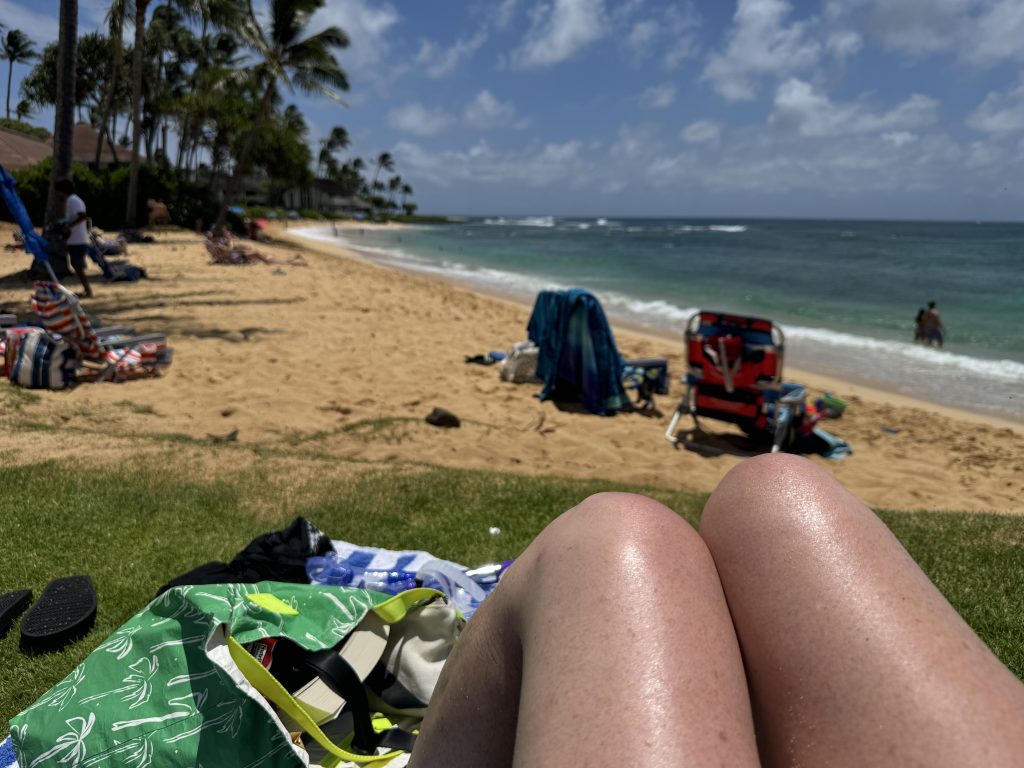
One of the key things I ask myself (and now my clients) is not WHERE you want to go, but WHY you want to go. What travel vibe are you looking for? If you are aiming for adventure, your destination may be very different than if you’re looking for cultural immersion or relaxation. If it’s about spending time with loved ones, your choice may look different than if you want a grand solo adventure.
In a group, you also have to balance different travel types and vacation expectations. You may have life stage factors to contend with as well – are there milestone birthdays, kids’ school schedules, or aging parent limitations you need to factor in?
How to Define Your Travel Priorities
Here are some reflection questions to ask yourself:
- What type of vibe are you looking for? Adventure, Relaxation, City Sights, Cultural Immersion, something else entirely, or a mix?
- What do you most want to leave your vacation feeling? Grateful for quality time with friends or family? Energized by a thrilling trip? Rejuvenated by some quality down time?
- If traveling with others:
- Is there a sweet spot or Venn diagram where your travel vibes and expectations overlap? (if not sure, check out my articles on how to plan a girls trip and a multi-gen trip)
- Are there schedule or mobility limitations you need to factor in?
For me, my 2026 travel priorities include doing another trip with my mom, helping both of us fulfill our travel dreams. I also love quality time with friends, along with enjoying my solo adventures. I want a balance of relaxation, culture, and a bit of adventure. Wellness retreat with a friend in St. Lucia? Check! Return trip to Japan with my mom? A strong possibility! I also have a big milestone birthday coming up this year, so that is a must in the consideration set!
How Many Trips is Too Many?
This really depends on you and your schedule, budget, and PTO available! Some people think traveling nonstop is fantastic, but for others, it takes more energy out of them. It’s great to see a new place every weekend, but that can also mean less time for the relationships and activities you love at home.
My preference is to have a trip each quarter. That can be big or small, a two-week trip or a weekend away. That gives enough to keep my travel bug satiated while giving me something to look forward to. It’s also a nice way to align destinations with seasons that are best for each place.
What’s your preference for the number of trips, and what is behind it? Knowing that will help you as you plan out your year.
Step 3: Choose Your Destinations (The Strategic Way)
Now that you know the ‘how’ and the ‘why’, it’s time to think about the ‘where.’ As I mentioned above, I like to lead with seasons. Where do I want to be in winter? Am I looking to embrace a winter wonderland, or escape the snow to somewhere warm? Do I want the full fall foliage effect, or do I just want to utilize that shoulder season to experience a new culture?

Once you know what you want to experience, you can hone in on some destinations. The next thing to consider is weather patterns. It’s probably best to avoid Thailand in monsoon season, or Scandinavia in January when they are in full blackout. Do you want to risk hurricane season for a great Caribbean rate? This may help you rule some places out for now. This is also where a travel advisor shines: we know the micro-seasons, the hidden shoulder periods, and when to avoid crowds. For example, April in Japan means cherry blossoms – but most people don’t know that Kyoto’s peak bloom week gets booked 6-8 months out, while early May in Hokkaido offers the same experience with a fraction of the crowds.
Also consider how much time you have for each of these. A long weekend in New Zealand from the US probably doesn’t make sense, so that location would be ruled out for that particular trip. On the flip side, you may find 2 weeks in Turks & Caicos is more than you need. Let this help you refine the destination list even further.

As you start to lay out the list of number of trips to take, length of each, vacation vibe you want, and potential destinations, look at them as a whole. Are you looking for a balanced mix of types of vacations, or do you want the same experience in different places? That can lead you to adjust the mix you’re working with. Because I like variety, I wouldn’t want every location to be a relaxing beach vacation, but others may love that. There’s no wrong answer – it just comes down to personal preference.
With your list finalized, you’ll want to continue planning and booking the bigger, anchor trips first. As those get solidified, you can fill in smaller trips around them. For me as of this moment, I over-compensated for my lack of beach vacays last year, and now ’m a bit beach-heavy, so I need to balance it out with a cultural anchor trip or two – more to come on that soon!
Step 4: Build Your Travel Calendar and Budget
The best way to build a calendar is to start with your own ‘blackout’ dates – holidays, family and work commitments, and the like. Then map out PTO strategically, maximizing long weekends and holiday weeks. Remember that PTO maximizing strategy from earlier? Now’s when you implement it as you map out specific trip dates.
I add trips to my normal calendar, but it’s harder to track there amongst everything else, so I use AirTable to track specific vacation trips. It also allows me to track budget, deposits and final payments.

If you don’t mind using a few different tools, Splitwise is a great app to track expenses by trip. It can show how much it cost, what you’ve already paid, and what’s remaining. It really shines when you’re traveling with other people, as it does the heavy lifting (and math!) for you.
Speaking of budgets, as you look at travel for the year, consider how much money you have and want to spend. A good travel advisor can also help you maximize value, knowing when to splurge and where to save.
Budgeting Guidelines
Here’s a general guideline for annual travel budgets and how to allocate across trip types. These ranges reflect different budget levels, so adjust based on your financial situation:
Annual Budget Examples:
- $8K-10K budget: Focus on 1 major international trip + 2-3 domestic weekends
- $12K-18K budget: 2-3 international trips + domestic weekends
- $20K-25K budget: 3-4 international trips with upscale accommodations
- $25K+ budget: Multiple international trips + luxury/adventure experiences
Budget Allocation (regardless of total amount):
- 40% – 2-3 big international trips
- 30% – girls trips/group travel
- 20% – weekend getaways
- 10% – buffer/spontaneous
Once a trip is scheduled, TripIt is another app that I love that consolidates all of your trip info into one view. Flights, hotels, activities, transportation – you can add it all in there.
Of course, if you work with me or any travel advisor, we will track this information for you and provide a customized itinerary with everything included. We take care of every detail so you don’t have to!
With your calendar built and budget allocated, there’s one crucial step left: actually booking the trips.
Step 5: Start Booking (And What to Book First)

You’ve done the planning – now it’s time to actually book. Here’s the strategic order for locking things in, plus how to handle the uncertainty that inevitably comes up.
Ever heard the saying ‘the early bird gets the worm?’ Well they also get better travel rates and availability! You’ve gotten your group to align on dates, now’s the time to lock them in before something else comes along and blows up all the planning you just did.
Book the big stuff first, like hotels and flights. Once those are in place, you can dive into activities, transportation, etc. As a travel advisor, I can hold space on tours, get early pricing, and monitor all trip details on your behalf.
What to book with flexible cancellation vs. non-refundable
Sometimes the cost savings of non-refundable rates make sense. Other times, refundable rates are worth the security and flexibility they offer.
When to choose flexible/refundable rates:
- Group trips where attendees might drop out
- Peak hurricane season destinations (June-November Caribbean)
- If you’re waiting on work approval or coordinating multiple schedules
- New destinations you’re not 100% committed to yet
When non-refundable makes sense:
- Solo trips where only your schedule matters
- Dates you’re absolutely certain about (holiday breaks, milestone birthdays)
- When the price difference is significant (sometimes 30%+ savings)
- Anchor trips you’ve been planning for months
My rule of thumb: I book flexibly for my girls trips (schedules change!) but often go non-refundable for my mother-daughter trips since we plan those far in advance and rarely cancel.
How to handle uncertainty (if dates aren’t 100% locked)
Life happens, and sometimes you need to book before everything is perfectly confirmed. Here’s how to manage that:

- Use flight alerts (Google Flights, Hopper) to monitor prices while you finalize dates – this buys you time without losing out on deals
- Book hotels before flights when possible – hotels typically have better cancellation policies than airlines
- Look for “free cancellation” filters on booking sites (Booking.com, Hotels.com often offer this)
- Consider travel insurance for non-refundable bookings, especially for trips over $3,000 or those with adventurous activities. Contact me for a personalized travel insurance quote.
- Hold space with deposits – travel advisors can often hold tour spots or room blocks with just a deposit, giving you time to confirm final details
The key is balancing commitment with flexibility. Don’t let perfect be the enemy of good – sometimes booking something (even with flexible terms) is better than waiting and watching prices climb.
Payment timeline strategy (when to put down deposits vs. pay in full)
Understanding when to pay what can help you manage cash flow and protect yourself:
Deposits (typically due at booking):
- Tours and small group trips: Usually $500-1,000 per person
- Hotels: Often first night or 10-20% of total
- Cruises: Typically 10-20% of fare
- Vacation rentals: Usually 50% at booking through platforms like VRBO
Final payments (timing varies):

- International tours: 60-90 days before departure
- Hotels: Often at check-in (or 24-48 hours before)
- Flights: Usually full payment at booking (unless using payment plans)
- Vacation rentals: Remaining balance typically 30-60 days out
My strategy: I put down deposits early to lock in pricing and availability, then set calendar reminders for final payment deadlines. This spreads costs across months rather than one big hit to the credit card. I also use a travel-specific savings account and transfer a bit each month, so final payments don’t feel overwhelming.
Travel advisor benefit: We track all your payment deadlines and send reminders, so you’re never scrambling or missing a deadline that could forfeit your deposit.
The Travel Advisor Advantage (Why I Finally Became One)
After 30+ years of planning my own trips across 45+ countries, I finally became a travel advisor – not because I needed help booking my own travel, but because I realized how many people wanted what I do naturally: someone to turn their travel dreams into actual, bookable reality.

Starting this blog in 2018, I shared travel tips and destination guides, but enough friends asked ‘Can you just book this for me?’ that I knew there was a real need. After meeting a wonderful advisor that close friends had worked with for years, I joined her team at Cadence Travel as a Virtuoso advisor. Now I can offer more than just advice and tips – I can actually take care of your trip from start to finish.
One of the main hesitancies I had in becoming an advisor was the fact that I do so much planning and booking on my own. How much value could there really be in an advisor? What I’ve learned since is that 1) not everybody is a planning geek like me – I’ve had friends see my itinerary spreadsheets or my guidance on where to go when, and say ‘I would pay somebody to do this for every trip!’; and 2) advisors do much more than just complete the booking.
As an advisor, I’ll meet with you and start with those questions at the top of this article, understanding why you’re traveling and what you want to experience. I’m not here to hawk the latest tour bus trip that feels a little too ‘touristy.’ I’m here to help customize your trip – from locations, to activities, to where you stay – that gives you the trip you are dreaming of, and leaves you with meaningful memories you can cherish for years.
The Real Value: Beyond Room Rates
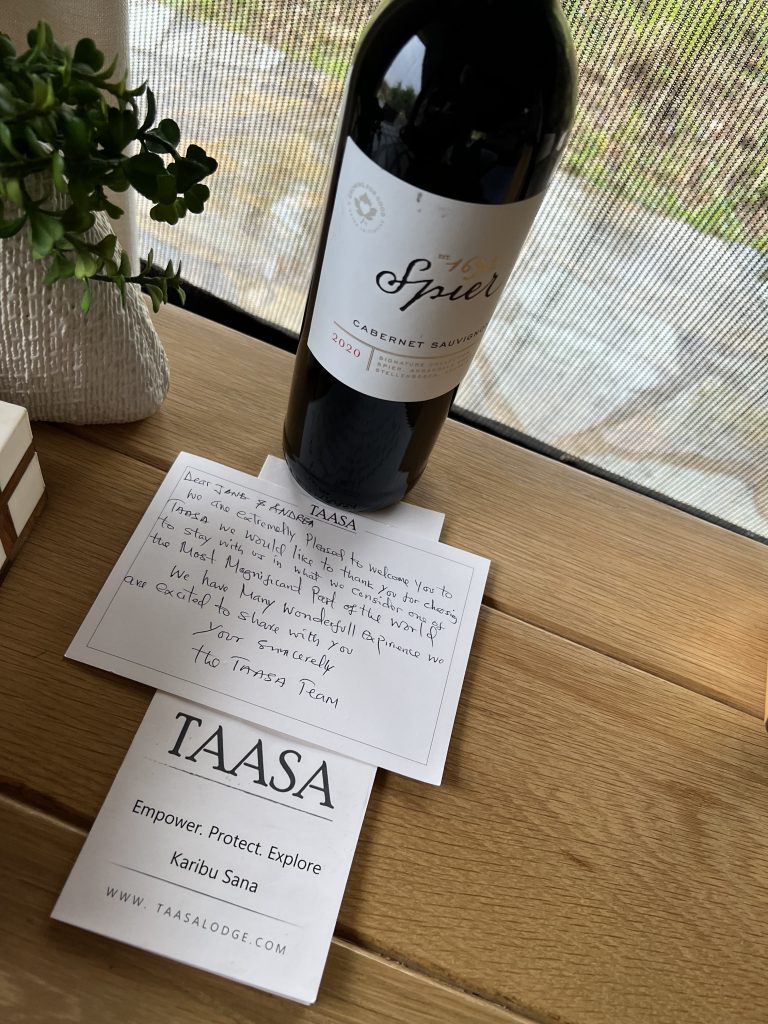
But Andrea, you may say, can’t I get cheaper rates if I just book on my own? There’s a myth out there that advisors have higher rates, but that’s not typically the case. Of course, if you want me to help you plan while you handle the booking, I will absolutely support you. But if I do book on your behalf, I often see rates and availability that the public may not see. And any commission I make comes from the supplier, not from you. Additionally, I often have access to perks like upgrades, room credits, and early/late checkout.
Using an advisor is much more than the room rates, though. It’s about complete support and taking care of the details so you can focus on the anticipation and joy of your trip. My travel fees cover the time and support throughout the trip planning process – from the time we start until you arrive safely home – along with a variety of other benefits. These benefits and support you receive, along with any cost savings and upgrades I include, are valued at more than the travel fees themselves.
What You Get Working with a Travel Advisor Like Me
- Personalized destination recommendations based on your style
- Detailed itinerary planning
- Hotel upgrades and amenities (Virtuoso perks)
- Restaurant reservations and activity bookings
- 24/7 support if things go wrong
- Insider knowledge from someone who’s been there
If you’re planning any 2026 travel and want help, I’d love to chat. Schedule a free consultation here or contact me directly.
Sample 2026 Travel Planning Calendar (Four Different Approaches)
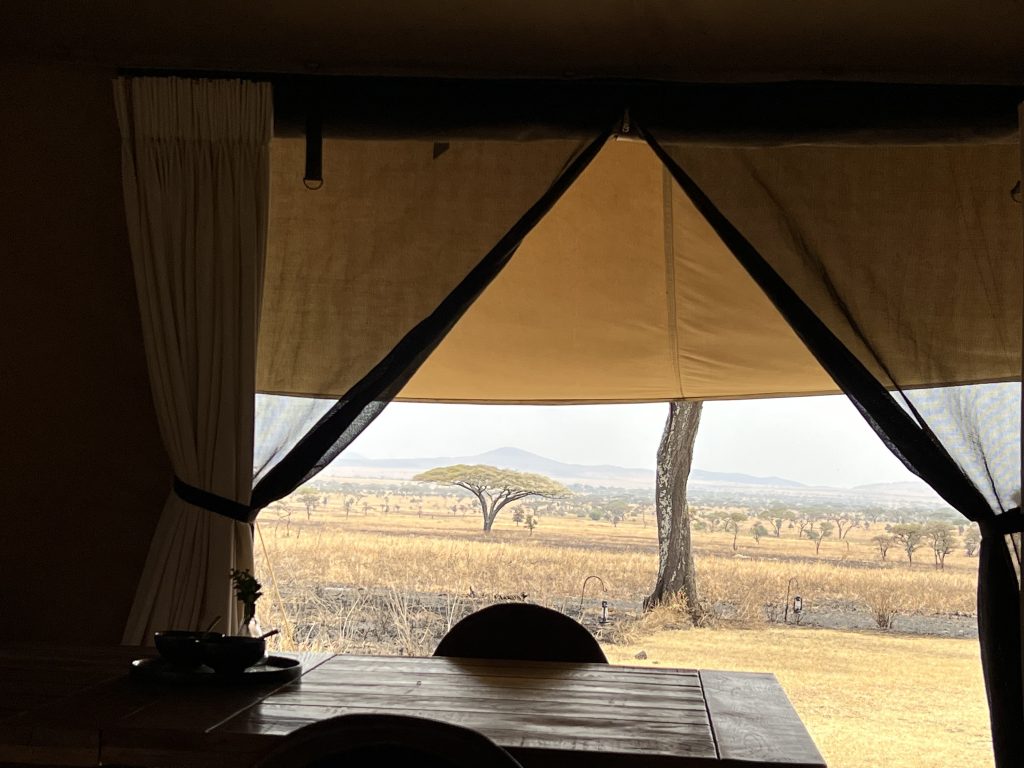
To help you visualize how this all comes together, here are three sample 2026 travel calendars. Each reflects different travel styles, PTO usage, and budget levels. Use these as inspiration, not prescription – your perfect year will reflect your unique priorities.
The Balanced Traveler
- January: Vietnam
- April: Solo wellness retreat (Costa Rica or Arizona)
- July: Girls trip to Amalfi Coast
- October: Mother-daughter Japan trip
- Budget range: $18K-24K per person
PTO strategy: Mix of 1-2 week trips (32-36 PTO days total), using Memorial Day and July 4th maximizers for extended time abroad
The Strategic Traveler (Limited PTO)
- February: Long weekend in Mexico (Presidents’ Day – 2 PTO days for 5-day trip)
- May: Week in Portugal (Memorial Day maximizer – 4 PTO days for 9-day trip)
- September: Girls weekend in Nashville (Labor Day – 1 PTO days for 4-day trip)
- December: Week-long cruise (Christmas maximizer – 4 PTO days for 9-day trip)
- Budget range: $9K-12K per person
PTO strategy: Just 11 PTO days used across 4 trips, maximizing federal holidays and long weekends for maximum travel with minimal PTO

The Cultural Explorer
- March: Japan (cherry blossoms prep)
- June: Greece & islands
- September: Morocco
- December: Christmas markets in Europe
- Budget range: $19K-23K per person
PTO strategy: Four 10-14 day trips using 32-40 PTO days, targeting shoulder seasons for better rates and fewer crowds
The Adventure Seeker
- January: Hiking in Patagonia
- April: Jordan & Petra
- August: Iceland Ring Road
- November: Machu Picchu
- Budget range: $22K-27K per person
PTO strategy: Four 2-week trips using MLK Day, Memorial Day, and Thanksgiving maximizers
Your 2026 Travel Planning Checklist
Congratulations! You’ve gone through the details and are ready to get started. Here’s a handy checklist you can use:
2026 Travel Planning Checklist
Conclusion
As you dream and scheme about how to plan your best travel year, you now have an actionable framework to make 2026 unforgettable. Look back at 2025 travels and decide what to carry with you into your 2026 adventures. You now can define your vacation vibe, and decide when, how with whom you want to travel.

Planning travel doesn’t have to be overwhelming – it can get you excited and anticipating the trip even more. It also gives you something to look forward to once you get it locked in!
The best time to plan is yesterday, the second best time is now. I’m already planning my best travel year yet for 2026, and I hope you will too.
Ready to plan your 2026 travel? I’m happy to help. Whether you book yourself or want help from a travel advisor, start now. Drop a comment with where you’re dreaming of going in 2026!
Wherever you go, however you get there, I hope you have a trip to remember.
Happy travels (and happy planning), kindreds!
RELATED POSTS
- If you’re aiming for a grand getaway, this guide will show you how to plan your multi-week international adventure
- Only have a week to spare? Here’s how to plan your week-long international trip
- If you’re nervous about going it alone, take a look at How to Start Traveling Solo
- Ready to take a girls trip? Here’s some location inspo: Best Girls Trip Destinations
- If you’re planning your own trip with family, read my Multi-Gen Travel Tips and what I learned traveling with my mom
- Planning a trip around the holidays? Here’s my Thanksgiving getaway guide
- Already thinking about what to pack? My What to Pack for Japan article outlines a 431 system that will work anywhere.
- Want more destination inspiration? Best Fall Getaways and Warm Winter Escapes will hit the spot.
HELPFUL LINKS
Ready to go?
- Want more information on the benefits of using a travel advisor? Learn more here
- Looking for Travel Inspiration? Follow me and check out my boards on Pinterest
- Custom trip planning: Need help planning your 2026 travel? Contact me here for personalized itinerary assistance!
- Trip planning tools:


