 Drea
Before I booked my flight to Tokyo, I spent two weeks wondering if I could afford it. Everyone said Japan was expensive. Then I went, tracked every single thing I spent, and came home with a completely different story. If you’ve been Googling ‘how much does it cost to go to Tokyo,’ I’m going to give you the honest answer. Not the vague “$100-$300 a day” range you keep seeing, but what I actually spent, what surprised me, and where I’d spend differently next time.
Honestly, a solo trip to Tokyo runs anywhere from $60 to $600+ a day depending on your travel style. Most solo travelers land somewhere between $150 and $350 a day once you factor in hotel, food, transit, and activities.
For my full guide to planning and traveling through Japan, start here →
For my full guide to solo travel for women over 35, start here →
Want Your Own Custom Packing Checklist for Tokyo?
Here’s a sneaky way to shave money off any Tokyo trip: pack carry-on only and skip the checked-bag fees (and the airport waiting). My free 4-3-1 packing checklist (tested over 18 days in Japan) makes it doable.
So, Is Tokyo Expensive? Here’s What the Internet Gets Wrong
Tokyo feels expensive until you realize you’re in control of almost every cost variable. In actuality, the “Japan is expensive” reputation comes from flights, not the destination itself. Once you’re there, your yen goes further than people expect.

The weak yen (as of spring 2026) has made Tokyo more affordable for US and Canadian travelers than it’s been in years. Of course, this can fluctuate so it’s always worth checking before you go, but when it is low, it’s a great way to maximize your vacation dollars.
What I’ve found when visiting Tokyo and booking Tokyo trips is that the biggest cost wildcard is accommodation. The type of hotel you prefer and the neighborhood you want to be in can change costs drastically, so it’s important to have an idea of what you’re looking for. If you want to be in the middle of Shibuya or Ginza, the splurge may be worth it. Similarly, the level of hotel you’re looking for can sway the price. Do you want a safe, comfy spot to sleep, or do you want a hotel that adds to the experience? Prices for that can range hundreds of dollars per night. Add the solo traveler tax – solo travelers pay full price for a private room that couples split, which adds to the cost again.
Solo travelers pay solo rates for hotel rooms. That’s the honest math, and it’s the one line item I’d tell you to budget carefully.
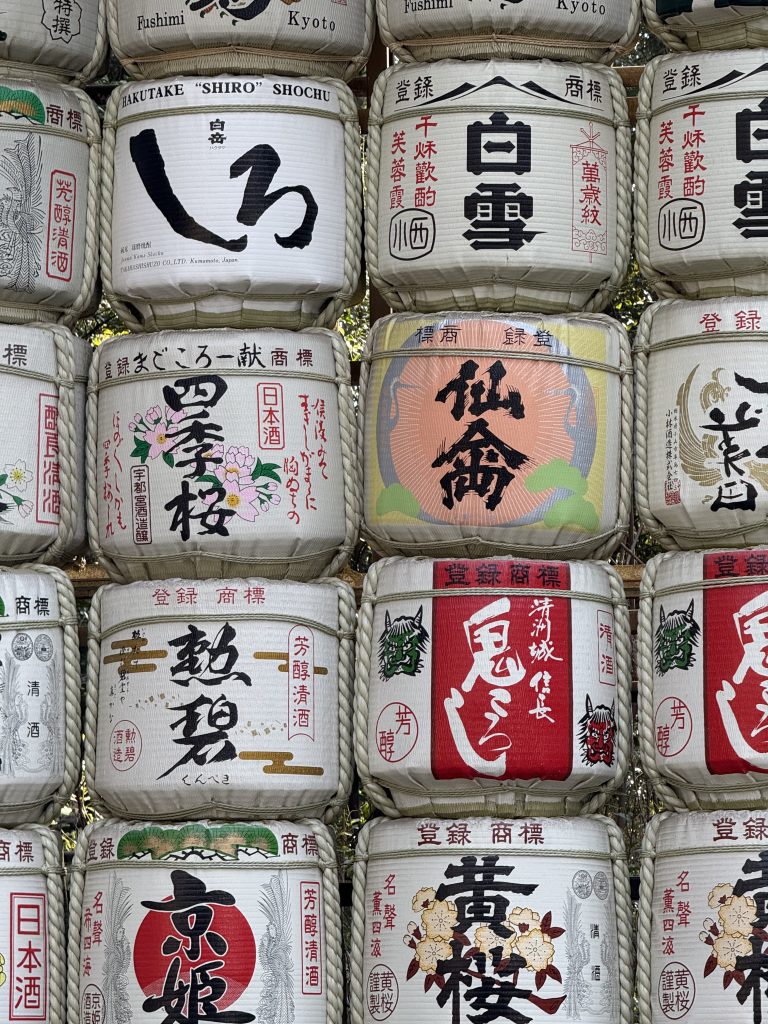
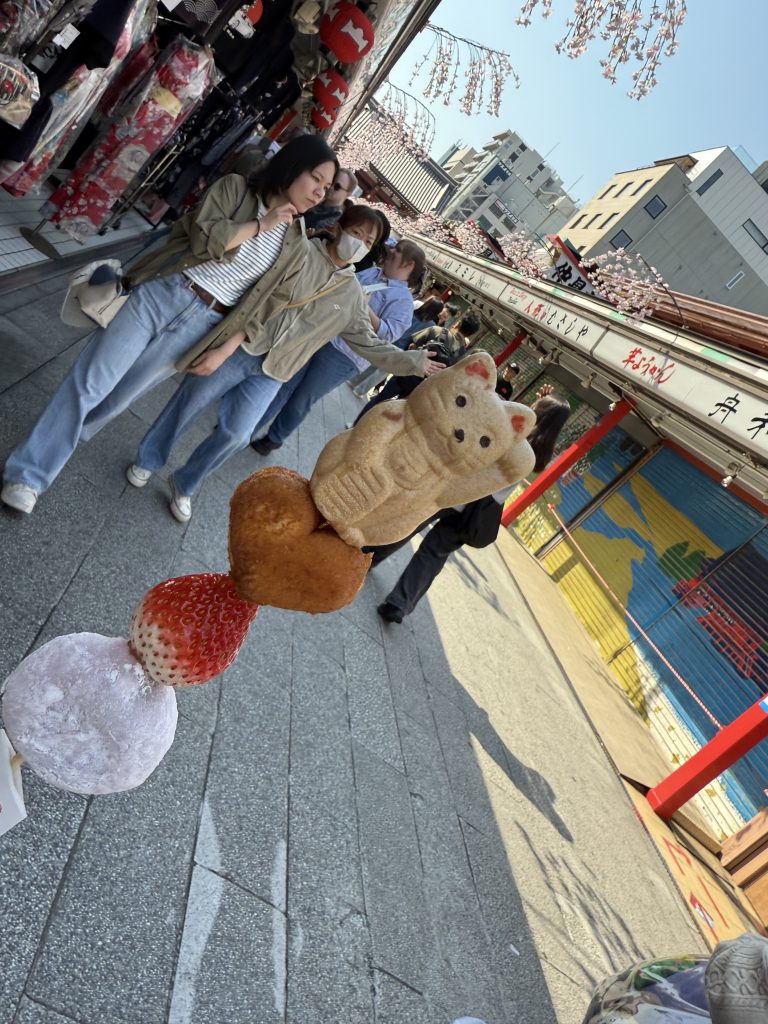
Beyond that, I found Tokyo quite affordable. Tokyo’s public transit is efficient and cheap. A day of getting around rarely costs more than $10-12 USD. Food can also be cheap, but it has a range as well. It’s easy to have a $3 konbini breakfast, or to splurge on a Michelin star restaurant. Again, you control this and make your vacation what you want it to be. Did I pay extra to have a drink on a rooftop overlooking Shibuya crossing to avoid the crowds? Absolutely, and I’d do it again. I enjoyed swanky meals with sake tastings, and also loved my morning konbini breakfast ritual. Nothing says you need all one thing or the other. Do what feels right to you.
How Much Does It Cost to Go to Tokyo? My Real Daily Budget
So what does a trip to Tokyo actually cost, day to day? Because costs look different for every trip, this may or may not be right for you. In fact, I’m booking a trip back this fall and my hotel costs have gone up substantially because of where I want to stay this time. I’ll include both here so you have a range, but take this as a guideline vs what you’ll actually pay.
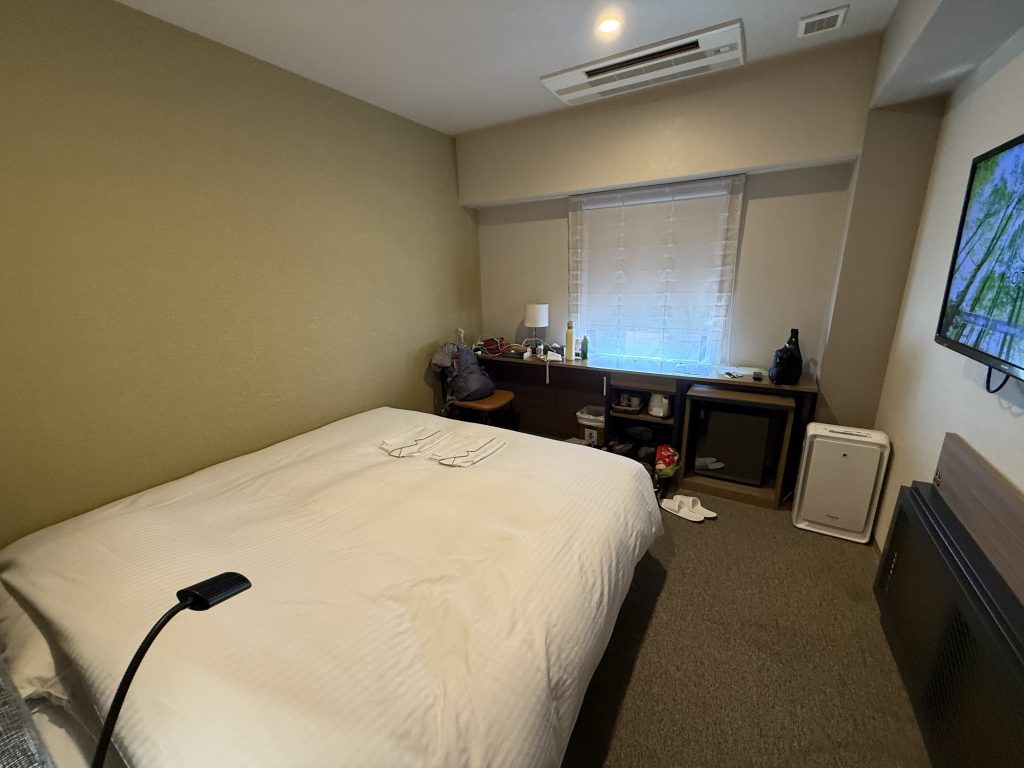
Before I checked into my hotel, I was scared that it would be horrendous as the price was quite affordable. Once I arrived, I felt instantly at ease. It was clean, well-situated, and perfect for a 4-night stay. Was it right in the hustle and bustle? No, but the trade-off was worth it for me. These types of decision points help you craft a stay in Tokyo that’s just right for you. Keep reading to find out how.
Here’s a look at my average daily spend in Tokyo, broken down by category so you can adjust for your own style.
Accommodation:
On my first trip I stayed in Ueno, at the ICI Hotel Ueno Shin, and spent about $175/night. This was right before cherry blossom season, so it was quite a good rate. This next trip, we’re staying at the Asakusa View Hotel, close to the Asakusa markets and with lounge access and a Skytree Tower view. That is running $440/night. As I was searching different neighborhoods, I could have gone much higher than this in Ginza, Shibuya, or other neighborhoods, but we prefer staying in the more traditional part of town.
Food:
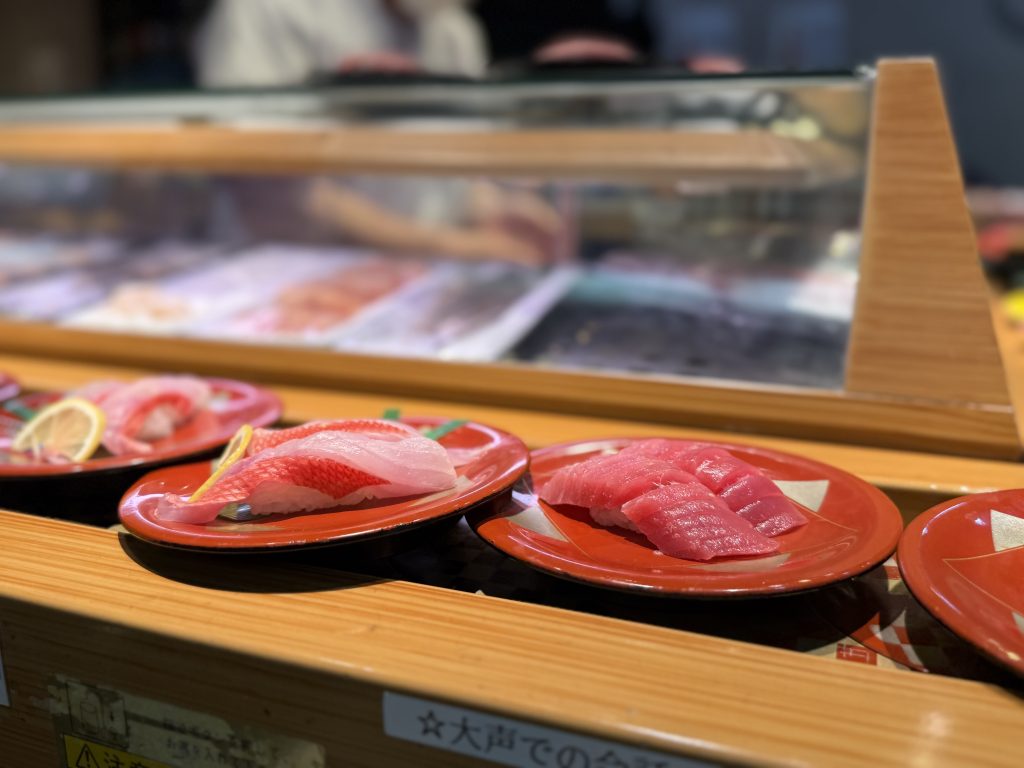
I typically spent $5-$10 on a konbini breakfast, and that included extra drinks to carry with me throughout the day. Lunch ranged from $10-$20 for sushi, soba, or udon, and even less on the days I ate at the street markets. Dinner went a bit higher ($25-$50) with nicer restaurants and izakayas, where I would have a drink with my meal. I still remember savoring the freshest sushi of my life, not caring about the cost. Then, when I received the bill and realized it was only $15, less than I would spend on Chipotle back home, I was in awe. In Japan, quality doesn’t have to mean more expensive.
A $3 convenience store breakfast and a $40 omakase dinner can exist in the same city. Tokyo is whatever budget you bring to it.
Transit:
My Suica card was a dream, and I typically spent about $5-$10/day. I didn’t do the tourist rail pass as I liked the idea of having the money indefinitely and using the eWallet version. Saving a few extra dollars wasn’t worth the hassle for me.
Activities:

This is another one with a range. My days varied depending on what I was doing each day. Many temple admissions were free, but I would use $1-$5 on temple offerings, fortunes, etc. Observation decks varied, from $10- $40, and things like a sumo show were $115, teamLab Borderless was $45, and my tea experience was $25. On my first trip I joined a group with Intrepid Travel at the end of my stay, but this next trip we’re going solo. Day trips will run anywhere from $100/person to $400/person, depending on the mode of transportation – private cars are going to be more expensive than joining up with a group.
Incidentals:
You always want to build in costs for the little things you don’t expect – getting SIM card, luggage storage or forwarding (a godsend in Japan – so cheap and so easy!), and the random purchases that add up (looking at you, street market snacks and sake stops!).
My total:
For my first trip to Tokyo, I spent $700 for 4 nights at the hotel, plus about $120/day for food, transit, and activities. That’s $1,300 total for the trip. This next trip, with the upgraded hotel, jumps to $1,760 for those same 4 nights. Add roughly $130/day for everything else and I’m at $2,400 total.
Where Your Money Goes (and Where You Can Actually Save)
As I mentioned above, a few specific choices make a dramatic difference in your total Tokyo tab.
Ways to Get Your Dollar to Go Farther In Tokyo
- Accommodations: Choosing a basic hotel – safe, comfortable, functional – over a luxury hotel with perks like a lounge, special views, or high-value locations
- Travel Style: Open to using public transportation vs wanting a private driver or tour guide every day
- Biggest money savers: Using your Suica card over paper tickets, choosing konbini stops over restaurants for breakfast, and staying in neighborhoods closer to transit hubs so you’re not paying for long rides
- The places I’d spend freely: one really good sushi dinner, a teamLab-style experience or observation deck (worth every yen), quality snacks from a depachika (basement food hall, spent over an hour in the one in Tokyo Station and loved every minute of it), an experience you won’t easily find back home – day trip to see the iconic Mt. Fuji? Go for it.
- Where the tourist tax is real: heavily branded Shibuya souvenir shops, vending machine-priced snacks in tourist zones (I still used them), “western” restaurants near Shinjuku station
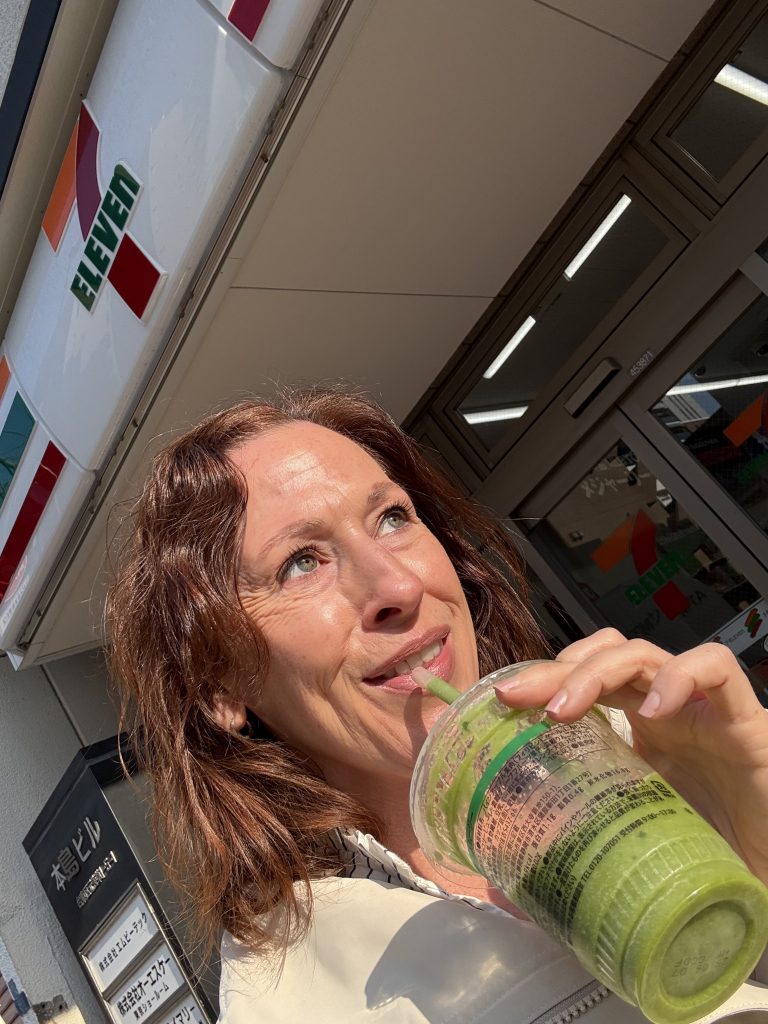
- The exchange rate reality: avoid exchanging cash at the airport. Instead, stop at a 7-Eleven and use their ATM to pull out cash from your debit card. The difference you save over 5 days adds up
Now that I’m planning a trip back, I’m willing to spend a bit more on my hotel location and room type, as I want to spend less time on transit and ensure we have more time to relax at the hotel. I’m also open to spending on private transportation, especially to/from the airport, to ease worry about finding and catching the right train with all of our luggage. That way, we can just relax and enjoy Tokyo.
Tokyo Budget by Travel Style: What Each Tier Actually Looks Like
Whether you’re counting every yen or treating yourself, here’s what your daily Tokyo spend realistically looks like. For me and my first trip, I went with a mid-range tier, and used what I saved on that amazing Tokyo shopping you’ve heard of. This next trip, I’m bringing my mom so we’re going with the “I Saved for This” tier, splashing out a little bit more. The good news is, whatever travel budget you have, Tokyo can accommodate.
| Tier | Daily Total | What’s Included |
| Budget | $60-$90/day | Hostel dorm or capsule hotel, konbini and ramen-heavy food plan, free temples and walking neighborhoods, IC card transit only |
| Mid-Range | $100-$350/day | Private hostel room or 3-star hotel, one sit-down meal per day, one paid activity or museum, room to impulse-buy a matcha latte without guilt |
| “I Saved for This” | $400-$600+/day | Boutique hotel, omakase or upscale ramen dinner, teamLab, maybe a day trip to Nikko or Hakone |
How Much Does Tokyo Cost Based On Your Travel Style
- Budget tier ($60-$90/day USD): hostel dorm or capsule hotel, konbini and ramen-heavy food plan, free temples and walking neighborhoods, IC card transit only. Totally doable, zero deprivation. Not my jam anymore, but it may be yours.
- Mid-range tier ($100-$350/day USD): private hostel room or 3-star hotel, one sit-down meal per day, one paid activity or museum, flexibility to impulse-buy a matcha latte without guilt
- “I saved for this” tier ($400-$600+/day USD): boutique hotel, omakase or upscale ramen dinner, teamLab, maybe a day trip to Nikko or Hakone. Still not Paris-expensive
These costs are for Tokyo specifically, but costs vary across Japan. I found some towns much more affordable on accommodation, with Tokyo likely the high bar. If you assume every city is like Tokyo, you’ll have more than enough room in your budget for the costs you didn’t plan for.
Costs I Didn’t See Coming (Honestly)
As with any trip, there are costs you don’t see coming. Here’s a look at the line items I didn’t budget for, so you can. By Day 4 I was wondering why I needed to top up my Suica card so fast. It also helps to have coins, as many of these may require them (I still always tried my eSuica card first!)
Hidden Costs in Japan

- Luggage storage: if you’re doing day trips out of Tokyo, coin lockers add up, so factor $5-10/day when needed
- Onsen (hot springs) day-pass fees: not in every Japan budget breakdown but they exist and they’re worth it. Outside of Tokyo, I stayed in ryokans with private onsens, so didn’t have to worry about this, but something for you to consider
- The spring surcharge: cherry blossom season = peak pricing on accommodation and some tourist attractions. The same is true for fall foliage, but not nearly as high. Make sure you account for this
- Vending machines: they’re everywhere, they’re cheap, but by day three I was spending $4-6/day in vending machine drinks I didn’t plan for (and completely enjoyed)
- Gacha machines: not a requirement but oh so tempting! Those machines with little prizes in them – they have stores full of them. It’s a fun distraction and I actually got some good souvenirs for my family this way. Have more coins than you think you need!
- Tipping culture: zero. Japan doesn’t tip. This actually saves money vs. US dining habits, but it surprises first-timers who over-budget for it
- The souvenir math: if you’re buying gifts to bring home, budget $50-100 separately and treat it as a fixed cost, not a daily variable
FAQs
Tokyo is one of the most affordable big-city trips I’ve taken, once you’re actually there. The flights are the hard part.
Conclusion

Tokyo is probably one of the most affordable big-city trips I’ve taken once you’re actually there. The flights are the hard part, and the rest is almost entirely up to you. Go with a number in mind, use your IC card, eat at least one meal a day from a convenience store, and spend your big money on the one experience that makes you feel like you flew across the world for a reason. I promise you’ll come home feeling like you got way more than you paid for.
Ready to plan the actual days? Here’s exactly how I spent my 5 days in Tokyo as a solo traveler. Or, contact me for a personalized travel plan. Either way, before you book, take a look at my 4-3-1 packing system for Japan so you’re not paying overweight bag fees that eat into your Tokyo budget.
Wherever you go, however you do it, I want you to have a trip to remember.
Happy travels, kindreds!
RELATED POSTS
Ready to travel to Tokyo? Here’s more info to prep for your trip:
- For my full guide to planning and traveling through Japan, start here
- My 5-Day Tokyo Itinerary for Solo Travelers
- Only have 3 days to spare? Take a look at My Exact 3-Day Tokyo Itinerary
- Why Tokyo is Safe for Solo Female Travelers
- Top 10 Essential Japan Travel Tips for First-Time Visitors
- Once you know the best advice, check out the the Japan advice I think is overrated
- What to Pack for Japan: My 431 System for Every Season
- Complete Japan Itinerary: 3 Weeks for First-Timers
- 4 Days in Kyoto + Nara – Perfect Add-On to a Tokyo trip
- Solo Female Travel hub for all your solo travel needs
- It’s true there are The Hard Parts of Solo Travel, but they’re well worth it
- Ready to plan? Take a look at my 2026 planning framework in How to Plan Your Best Travel Year.
HELPFUL LINKS
Ready to book? Here are my go-to resources for flights, packing, planning, and staying connected:
- Work With Me
- Need help planning your 2026 travel? Contact me here for personalized itinerary assistance!
- Want more information on the benefits of using a travel advisor? Learn more here
- Planning Resources
- Japan National Tourism Organization – Official travel resource for Japan
- Suica Card – Your Japan transit authority source
- Looking for Travel Inspiration? Follow me and check out my boards on Pinterest